
Documentary Explores the Untold Stories of 1984 Anti-Sikh Violence
Unveiling the Past: Teenaa Kaur Pasricha's Documentary
Teenaa Kaur Pasricha was profoundly affected when she learned about the anti-Sikh riots that erupted following Indira Gandhi's assassination on October 31, 1984. She was particularly struck by the general ignorance surrounding the aftermath of these events.
“Reading about 1984 left me heartbroken, and I couldn't help but wonder: why hasn't there been a film addressing this topic?” Pasricha expressed. “If we don’t discuss our history and culture, who will?”
Her concern was especially for the women who lost their husbands and homes during the violence. “I pondered how they managed to heal and navigate their daily lives after such trauma,” she reflected.
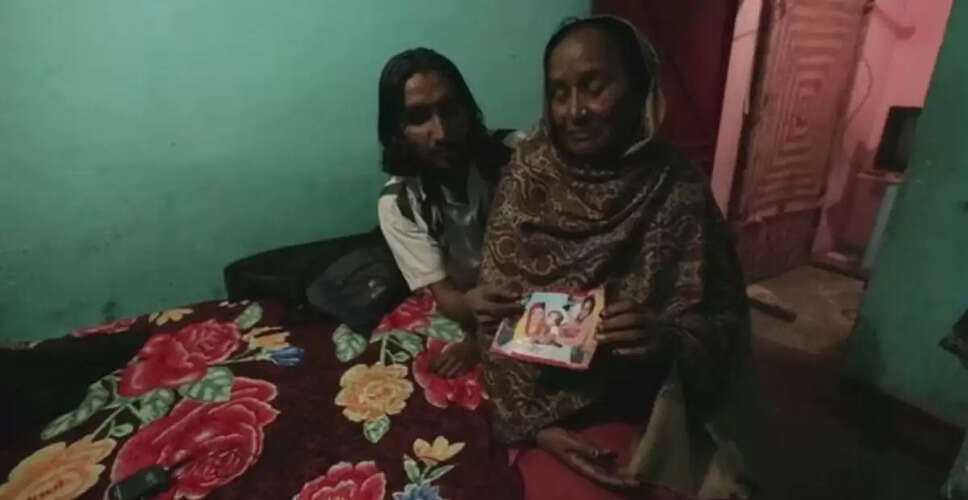
To fill this gap in storytelling, Pasricha created her documentary titled 1984, When The Sun Didn’t Rise. This 57-minute film chronicles the experiences of women residing in Delhi’s Widow Colony, a community of widows whose husbands were victims of the violence that lasted four days after Gandhi's assassination.
The documentary, which took five years to complete, received partial funding from the Busan International Film Festival’s Asian Network and Documentary Fund, as well as a fellowship from the Leipzig International Festival for Documentary and Animated Films. It is set to be showcased at the International Documentary and Short Film Festival of Kerala on June 18.
1984, When The Sun Didn’t Rise features personal narratives from women who lost their husbands in the violence, showcasing their varied paths to coping with their grief. One widow revisits the site of her husband's death, while another comes to terms with the possibility that her missing spouse may be deceased.
While the documentary includes perspectives from a legal expert and a politician linked to the violence, the primary focus remains on the women's stories, which reveal a complex mix of vulnerability and strength.
Pasricha allows the widows to express themselves in both Hindi and Punjabi, illustrating that their sorrow transcends linguistic barriers. As the women go about their daily routines, it becomes clear that their adaptability is just one of many ways they have adjusted to their new reality. However, while these women have found ways to cope with their past, many men in the community have turned to substance abuse.
The film also tells the story of a man struggling with addiction, highlighting how systemic drug dependency has negatively impacted the emotional, mental, and financial well-being of the community, particularly its women. “Finding someone willing to share their story as a drug addict was challenging,” Pasricha noted. “One individual initially agreed but later withdrew, fearing it would jeopardize his access to drugs.”
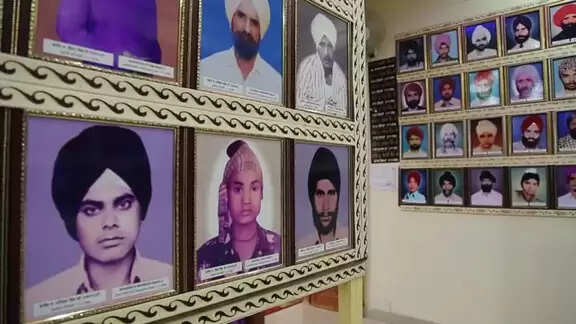
Pasricha's approach to research resembles ethnographic methods, as she sought acceptance from the community before documenting their lives. “Every year on October 31, journalists visit to interview these individuals and then leave,” she remarked. “I, however, returned repeatedly, listening to their stories. They were surprised by my persistence, as no one had shown such interest before. My goal was to be a compassionate companion.” It took her 18 months to gain the trust of one widow, requiring her to sit outside her home day after day.
Over the years, Pasricha developed a deep emotional connection with the women and their stories. “I was just a girl listening to their experiences, and my heart ached for them,” she shared. As a result, the documentary does not present a completely neutral political perspective but vividly portrays the pain of trauma and loss, illustrating how personal tragedies can influence political dynamics.
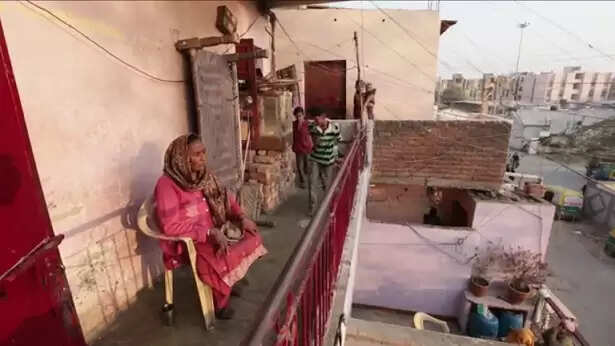
While 1984, When The Sun Didn’t Rise sometimes elevates the voices of the widows, it consistently portrays their suffering with profound empathy. In one particularly moving scene, a group of widows knits together as they recount the horrific violence surrounding their husbands' deaths. The camera captures a young boy listening intently, subtly conveying how the violence that affected his predecessors continues to shape his everyday life.
Pasricha aspires for her documentary to illuminate a neglected chapter of history and offer some solace to the victims. “I understand that justice may never come for these women,” she acknowledged. “My research has shown me that. The only form of atonement would be for the government to acknowledge that this was a state-sanctioned massacre, not mere riots.”
Through 1984, When The Sun Didn’t Rise, Pasricha aims to foster greater tolerance among diverse communities. “Creating this film filled me with sadness, as discrimination persists,” she lamented. “Marginalized groups continue to suffer in our country. We must learn to understand and embrace one another in the name of humanity.”