
DMK Backs Revised Delimitation Bill, Shifting Political Dynamics in Tamil Nadu
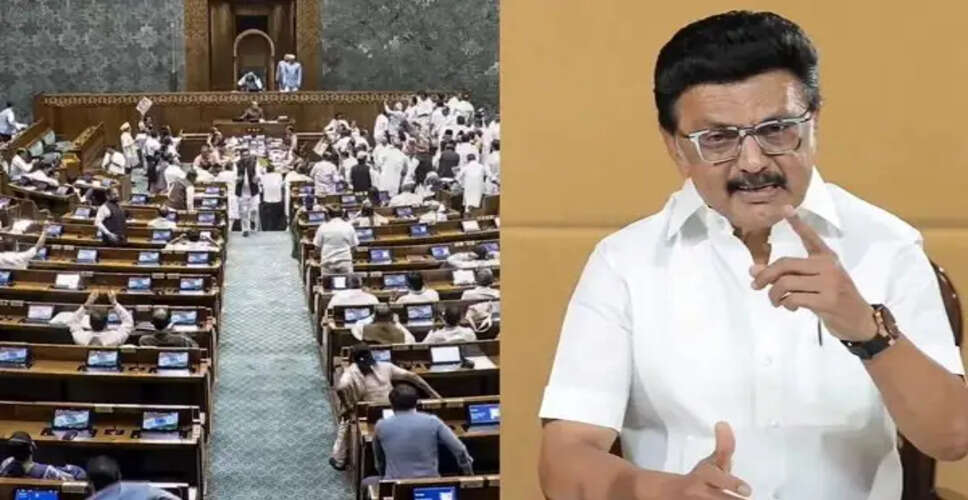

Political Shift in Tamil Nadu
The central government has achieved a significant political milestone with the support of the Dravida Munnetra Kazhagam (DMK) for the revised delimitation bill. This decision is seen as a major setback for the opposition INDIA alliance, particularly as several parties, including Congress, have voiced their opposition to the bill. Notably, the DMK had opposed the earlier version of the bill in April this year, but following the acceptance of key demands by the central government, the party has now chosen to support it.
DMK's Support and Key Demands
During a meeting held in Chennai on November 28, the party passed a resolution endorsing the bill. DMK leader M.K. Stalin clarified that the central government has incorporated the party's demands into the new bill, which were the basis for their earlier opposition. The DMK believes that the revised proposal adequately protects the interests of southern states, leading to their support for the delimitation process.
Stalin's Remarks on the Bill
In a statement on social media, M.K. Stalin expressed that the DMK supports the bill that acknowledges their demands for fair delimitation. He noted that the two main concerns that led to the party's opposition in April have been addressed in the new format. Stalin described this as a success of the party's ongoing efforts since 2024.
Concerns Over Political Representation
The DMK's primary concern was to maintain Tamil Nadu's current political representation in the Lok Sabha, which stands at 7.18%. Additionally, they demanded that the ratio of Lok Sabha seats among states be preserved based on the 1971 census for the next 25 years. Stalin reiterated the party's firm stance on these issues, emphasizing that states that have excelled in population control and socio-economic development should not suffer due to delimitation.
Reasons for Changing Stance
Previously, the DMK opposed the central government's old delimitation proposal due to the lack of safeguards for the representation of southern states. However, the revised proposal includes provisions for a 50% increase in Lok Sabha seats across all states while maintaining the current ratios. The DMK views this change as a fulfillment of their demands.
Implications of DMK's Support
The proposed changes could increase Tamil Nadu's Lok Sabha seats from 39 to approximately 59. Despite this increase, the DMK insists that the state's 7.18% representation must remain intact. The party's opposition was not to the delimitation process itself but to any arrangement that could potentially disadvantage southern states.
Political Ramifications for the Central Government
The DMK's decision is crucial for the central government as it seeks to pass the constitutional amendment bill in Parliament. The government aims to implement the women's reservation law by the 2029 Lok Sabha elections, necessitating the advancement of the delimitation process. The proposed amendment could increase the maximum number of Lok Sabha members to 850, requiring a two-thirds majority for passage, making the support of opposition parties vital.
Reactions from Other Political Parties
Following the DMK's decision, political discourse in Tamil Nadu has intensified. The Tamilaga Vetrik Kadagam (TVK), led by Chief Minister Joseph Vijay, has questioned the DMK's stance, demanding clarity on whether their MPs will vote against the delimitation bill. TVK argues that abstaining from voting would be akin to yielding to the BJP.
Conclusion
Overall, the DMK's shift in position regarding the delimitation bill represents a significant political development for the central government. The party's decision to support the revised proposal, which they previously opposed, could alter the political landscape in Parliament and reveal divisions within the INDIA alliance. The upcoming discussions in Parliament will be closely monitored as various parties navigate their roles in this evolving situation.