
Disparities in Maternal and Child Health in Assam: A Tale of Two Realities

Healthcare Challenges in Rural Assam
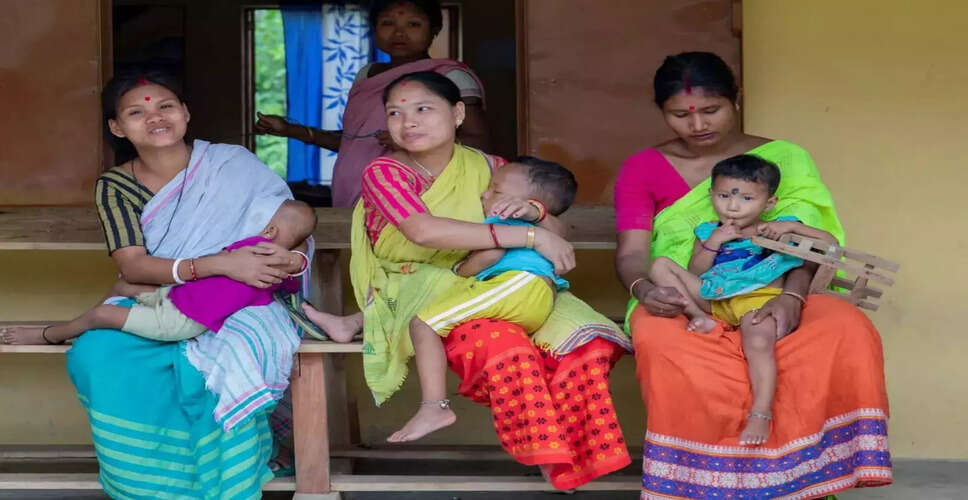
While urban mothers often have specialists and hospitals within reach, many rural families in Assam continue to struggle with delayed emergency care (Photo - Unicef)
In a remote village of Jorhat, a pregnant woman faced a critical situation late at night, prompting her family to reach out for help. They called various ambulance services and sought private transport, but assistance only arrived at dawn.
Jyoti Das, a resident of Meleng village, recounted, "My condition turned critical around 11:30 pm. The ambulance reached only at 4:45 am." Ultimately, she gave birth at home.
In stark contrast, Barnali Sharma, a first-time mother in Guwahati, had a vastly different experience. Her hospital was just a five-minute drive away, and she maintained regular communication with her gynaecologist throughout her pregnancy. When her newborn developed a fever, they were able to consult a specialist within hours.
This disparity highlights the findings from the latest Sample Registration System (SRS) 2024 report, which indicates that Assam has the highest rural-urban gap in infant mortality rates across India.
Urban Assam reports an infant mortality rate (IMR) of 14 deaths per 1,000 live births, while rural areas face a staggering 31 deaths, more than double the urban figure.
The gap extends to neonatal mortality as well, with rural Assam recording 21 deaths per 1,000 live births compared to 12 in urban settings. Early neonatal mortality rates also reflect this divide, with rural areas seeing 15 deaths against eight in urban regions. Perinatal mortality rates are similarly concerning, nearly twice as high in rural communities.
Understanding the Causes Behind the Statistics
Lives Lost in the Gap
Each statistic represents a series of circumstances that often begin long before a child is born. A gynaecologist noted, "The primary issue is the lack of consistent hospital follow-up and the absence of 24/7 facilities in many rural areas." Despite improvements in healthcare outreach, access remains a significant hurdle. Patients often hesitate to travel long distances to tertiary hospitals, opting for nearby facilities that may lack specialized care.
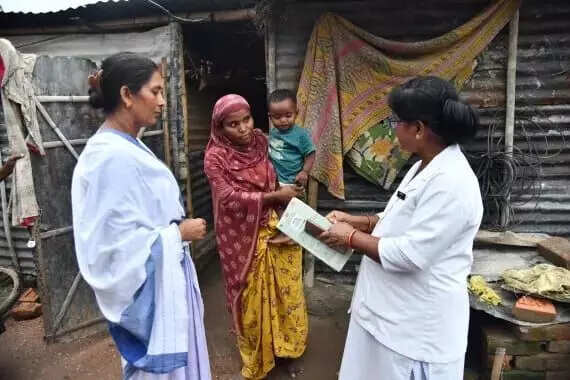
The latest SRS report highlights a stark rural-urban divide, where distance, limited healthcare access and lack of awareness continue to impact maternal and child health outcomes (Photo- Unicef)
He shared a recent case from Mangaldai, where a woman with a full-term pregnancy complicated by hypertension was referred to Guwahati, but tragically, both mother and child died before reaching the hospital.
"Such incidents are not uncommon. Transportation issues, lack of advanced facilities, and equipment shortages are significant challenges," he explained.
For many families in remote villages, the distance itself can become a medical emergency. Jyoti expressed her frustration, stating that her village lacks specialists and relies heavily on pharmacies, small clinics, and occasional ambulance services.
"We wish for better healthcare facilities, especially during emergencies," she lamented.
The Role of Nutrition and Awareness
Tea Gardens: A Neglected Area
Doctors emphasize that the issue extends beyond hospital access; awareness, nutrition, and education are equally vital. A paediatrician from Jorhat, who wished to remain anonymous, pointed out that protein-energy malnutrition is a significant contributor to infant deaths in rural Assam.
"Infants suffering from malnutrition are more susceptible to infections and diseases," she noted, adding, "Our nutritional rehabilitation centers are often at full capacity, indicating the widespread nature of the problem." Many rural families tend to delay seeking medical help until conditions worsen. Even when free treatment is available, some patients leave hospitals against medical advice due to lack of awareness, financial constraints, or deeply rooted beliefs.
"Urban parents typically bring their newborns to the hospital at the first sign of fever, while in rural areas, many infants are only brought in after their condition has significantly deteriorated," she explained.
The situation is even more dire in Assam's tea garden communities, where health indicators have historically lagged. Kamal Gogoi, a former secretary of SEBA and the Assam Higher Secondary Education Council, has observed these areas for decades and attributes the issues to a mix of poverty, poor nutrition, early marriages, and insufficient awareness.
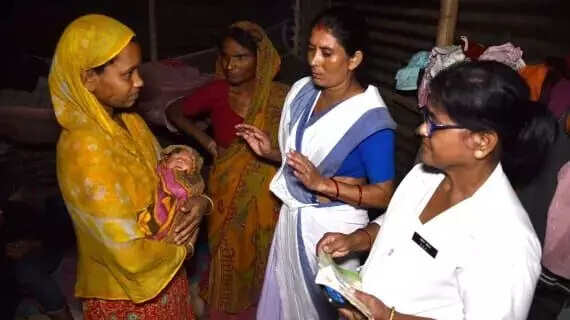
Health experts say improving infant survival in rural Assam requires not only better healthcare infrastructure but also stronger nutrition, and community support systems (Photo - Unicef)
"In the past, many tea garden areas lacked proper education, drinking water, and health facilities," he stated. While improvements have been made, women in tea estates often continue to perform physically demanding work during pregnancy, consume inadequate diets, and have limited access to specialized healthcare.
"Many pregnancy cases from tea garden areas are referred to government hospitals, and some face tragedy even before reaching them," he added. He emphasized that maternal and child health should not be viewed solely as a healthcare issue. "The birth and growth of a healthy child is a family responsibility, not just the mother's."
A Broader Perspective on Health Inequalities
A Tale of Two Assams
The SRS report also uncovers broader inequalities. Children aged 0-4 represent 11.6% of all deaths in rural Assam, compared to just 3.8% in urban areas. Infant deaths account for 10.3% of total deaths in rural Assam, nearly three times the urban figure of 3.4%.
However, health experts caution against viewing this situation solely as a failure. Assam's infant mortality rate has been steadily declining over the years. New medical colleges, expanded health schemes, improved referral systems, and a growing network of ASHA workers have enhanced healthcare access. Yet, infrastructure alone may not close the gap.
"Building hospitals is crucial, but raising awareness is equally important," Gogoi remarked. The paediatrician echoed this sentiment, stating, "Counselling is one of the most effective solutions. It must occur at the grassroots level and involve not just healthcare workers but entire communities."
For Barnali Sharma, her access to information, specialists, and transportation made her experience of motherhood less daunting. "The opportunities I had are not available to many women in rural areas," she reflected, adding, "Their situation is completely different from mine."
The SRS statistics may serve as indicators, but they ultimately narrate a story of geography influencing survival. In Assam today, a child's likelihood of celebrating a first birthday can still heavily depend on their birthplace, a reality that continues to divide the state into two distinct worlds.