
Discovering the World's Most Expensive Vegetable: Hop Shoots
Introduction to Hop Shoots
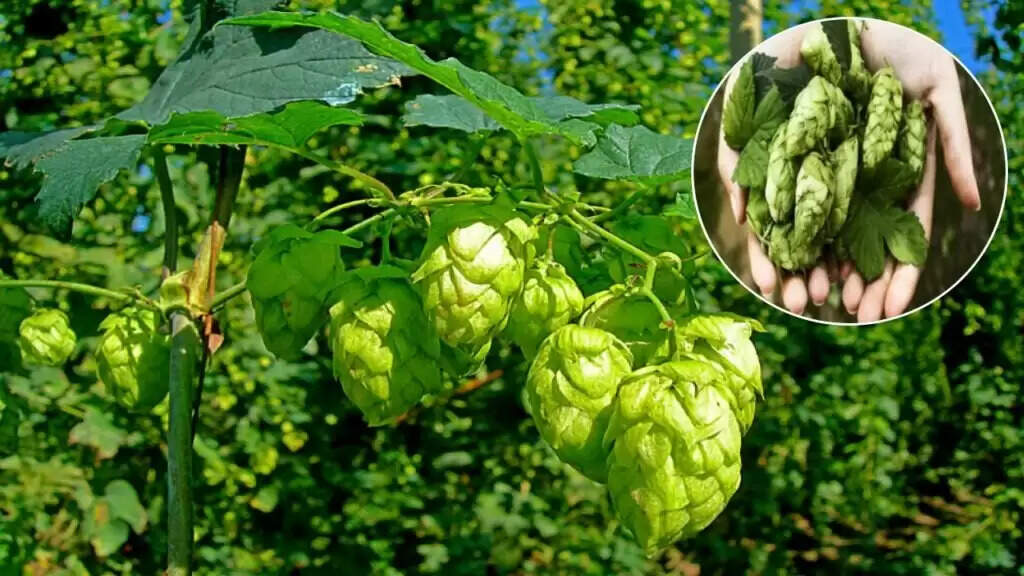
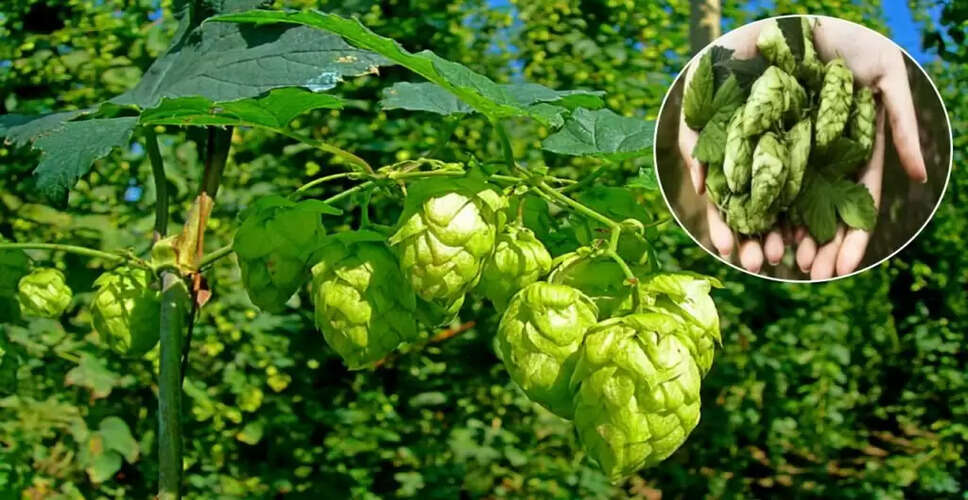
While many are familiar with expensive fruits like dragon fruit and kiwi, few know about the priciest vegetable in the world. The title goes to hop shoots, which are cultivated at a high cost but yield significant profits. Priced at ₹85,000 per kilogram, this vegetable is often out of reach for the average consumer. Let's explore where hop shoots are grown and the potential profits involved.
Regions Cultivating Hop Shoots
Hop shoots are cultivated in several countries, including Europe, Canada, China, Australia, the USA, and New Zealand. The process of growing, harvesting, and preparing hop shoots is labor-intensive, contributing to their high market price. The hop plant is considered highly beneficial, with various medicinal properties found in its shoots, while the flowers are used in beer production.
Understanding Hop Shoots
Scientifically known as Humulus lupulus, hop shoots belong to the Cannabaceae family. This plant can grow up to 6 meters and has a lifespan of around 20 years. The high cost of hop shoots is primarily due to the specific climate required for their cultivation. They yield produce every three years, and the expenses for planting and maintenance are substantial.
The Business of Hop Shoots
Currently, the global market for hop shoots is valued at approximately $8.1 billion. The market is growing at an annual rate of 4.6% CAGR, with projections suggesting it could reach $15.1 billion in the next five years.