
Discovering the World's Last Road: Norway's E-69 Highway
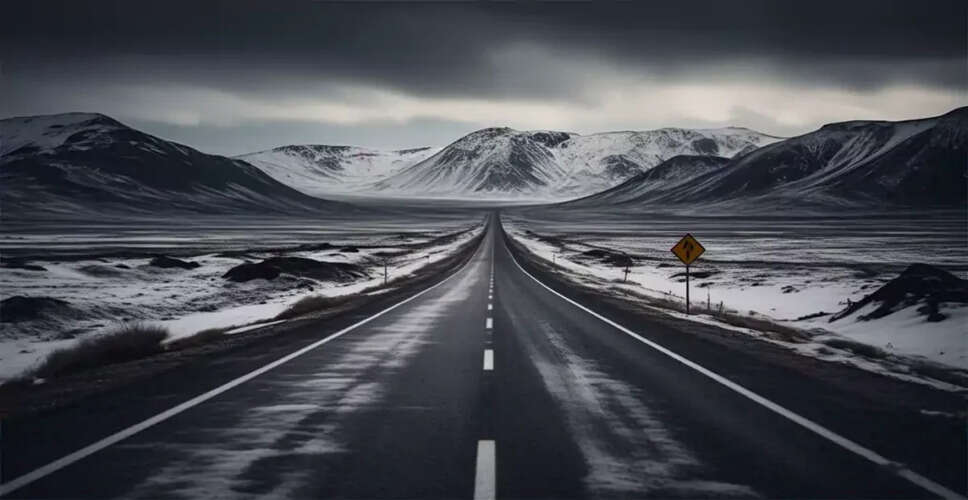
Exploring the Edge of the World
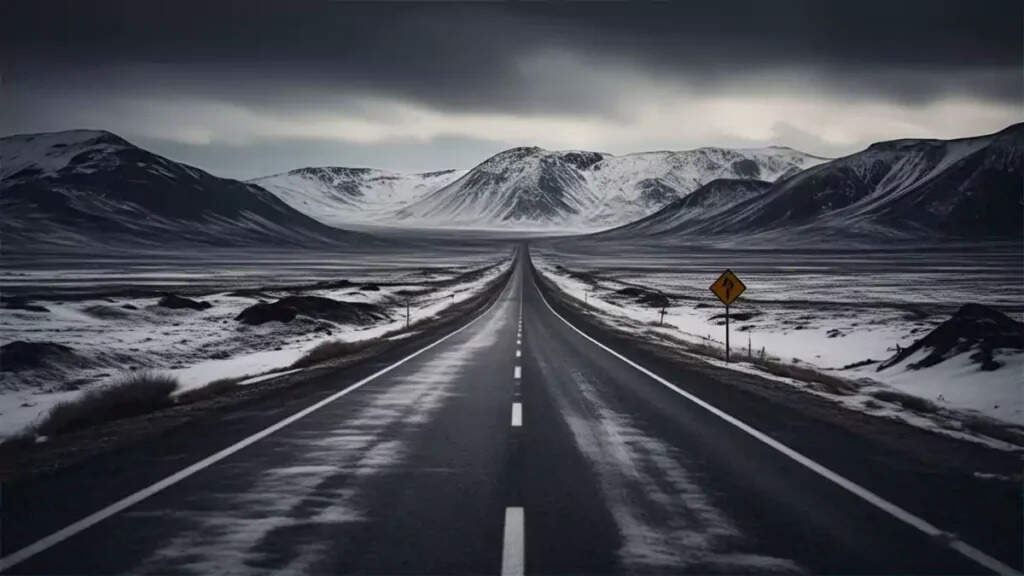
New Delhi | Have you ever pondered where the end of the world lies? This intriguing question often crosses our minds. Many of us are curious about where this planet concludes and what lies beyond that point, where no living being exists. What does the world look like after the last road? While answers to these questions may be scarce, we aim to shed light on them today.
In Norway, there exists a road famously referred to as the last road or the final route. It is said that beyond this road, one can only see the ocean and glaciers, with little else in sight. This road is known as the E-69 Highway. Let’s delve into some fascinating details about this unique roadway.
Connecting Norway to the Edge of the Earth
The North Pole represents the furthest point on Earth, where the planet's axis rotates, and Norway is part of this region. The E-69 Highway links Norway to the edge of the Earth. At the end of this last road, there is no visible path ahead, only an expanse of snow. The highway stretches approximately 14 kilometers.
Group Travel Required
If you plan to venture onto the E-69 Highway to witness the world's end up close, you must form a group. Solo travelers are not permitted, and vehicles are also restricted. The reason for this is the thick layers of snow that blanket the area for kilometers, posing a risk of getting lost.
Distinct Weather Patterns Day and Night
The weather here varies significantly between day and night. Due to its proximity to the North Pole, this region experiences six months of darkness in winter, while summer brings continuous sunlight. There are no days in winter and no nights in summer. Surprisingly, despite these harsh conditions, several people reside here, with winter temperatures plummeting to minus 43 degrees and summer temperatures hovering around zero degrees.
Hotels Established Along the Route
It is said that witnessing the sunset and polar landscapes from various points along the route is a delightful experience. Initially, this area was known for its fishing industry, but development began around the 1930s. By 1934, tourists started visiting, and now you can find several hotels and restaurants in the vicinity.