Discover the Vibrant Celebration of Womanhood: Odisha's Unique Raja Festival
A Colorful Tribute to Womanhood
Bhubaneswar: The arrival of 'Raja' marks a three-day festival that honors menstruation, fertility, and the essence of womanhood. Odisha transforms into a vibrant spectacle filled with swings, colorful decorations, and the delightful scent of poda pitha, a traditional dish associated with the festivities. However, despite its significant message, menstruation remains a taboo topic in many parts of society, including in this very state that celebrates it.
Originating from the Sanskrit term 'Rajaswala', which signifies a menstruating woman, this festival pays homage to 'Bhumi', the Earth goddess, who is believed to menstruate during these three days. During this time, agricultural work halts, women take a break from their daily tasks, and joy takes precedence.
“Raja is not merely a festival; it’s a celebration of femininity. While the world often whispers about menstruation, we embrace it with pitha, pana, and raja doli,” expressed Akankhya Rout, a journalist from Odisha now based in Lucknow. “For families who have moved away from Odisha, Raja serves as a moment to reconnect with their heritage,” she added.
Traditions and Nostalgia

Odia actress Jyoti Mohanty reminisced about the festival's past, stating, “Raja used to encompass much more than just swings and poda pitha. The three significant days—Pahili Raja, Mithuna Sankranti, and Basi Raja—were filled with traditions like folk games, card games, and kabaddi, along with special dishes and Raja pana.” She noted, “Women dressed in new attire, adorned their hands with mehendi and feet with alata, enjoying time with family and friends. While changes have occurred, the essence of the festival remains vibrant in rural areas compared to urban settings,” Mohanty remarked.
Cultural Significance and Modern Challenges
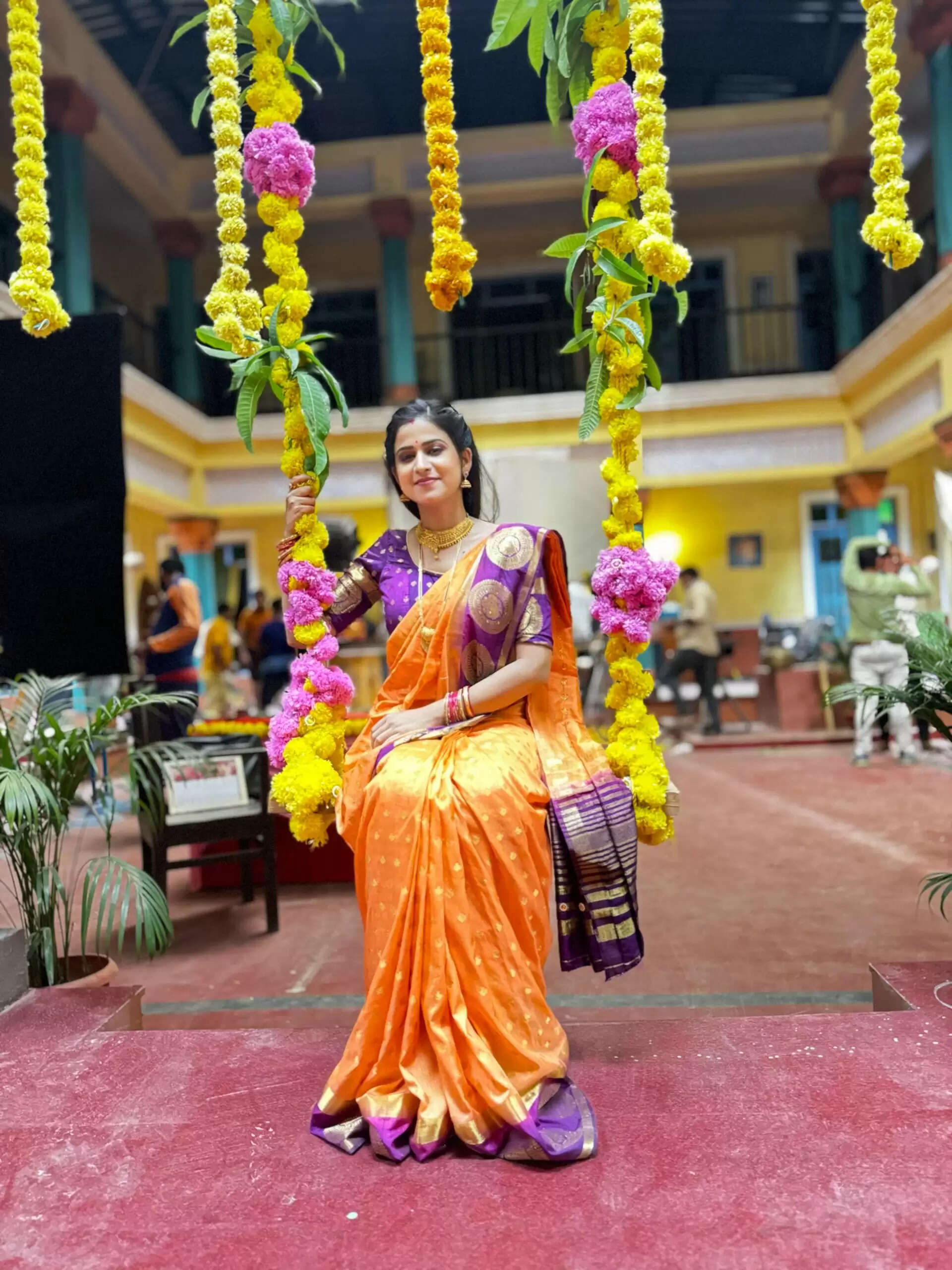
Madhusmita Padhihary, a university student, emphasized that Raja is more than just a cultural event. “It embodies the vibrant spirit of femininity and rural life. During this festival, Mother Earth is believed to rest, and so do women. Girls dress in colorful outfits, apply mehendi, sing folk songs, and swing joyfully,” she stated.

Breaking the Silence Around Menstruation
Despite the public celebration, menstrual health and hygiene remain sensitive topics in many households. PS Swagatika Sahoo, a PR professional from Jagatsinghpur now in Mumbai, shared, “Raja holds immense cultural importance in our villages—it's a time of joy, pride, and connection to our roots. Even while working in Mumbai, I prioritize returning home to celebrate this beautiful festival. For every Odia woman, it’s a treasured moment. However, in urban environments, the true essence of Raja often fades, especially when menstruation is still an uncomfortable subject to discuss.”

A Cultural Salute to Nature and Femininity
“Raja is not merely a festival; it’s a cultural homage to womanhood, fertility, and the cycles of nature. By honoring menstruation through tradition, the festival serves as a reminder that what is natural should never be concealed,” stated Sriyasmita Mohanty, an IT professional in Mumbai. The festival culminates on the fourth day, known as Basumati Snana, which is dedicated to ceremonially bathing the Earth. Clay idols of Mother Earth are worshipped, and traditional rituals are performed to honor nature and femininity. As Raja continues to evolve, its core message remains unchanged—celebrate womanhood, embrace nature, and break the silence surrounding menstruation.