
Discover the Healing Powers of the Aparajita Plant

Introduction to Aparajita
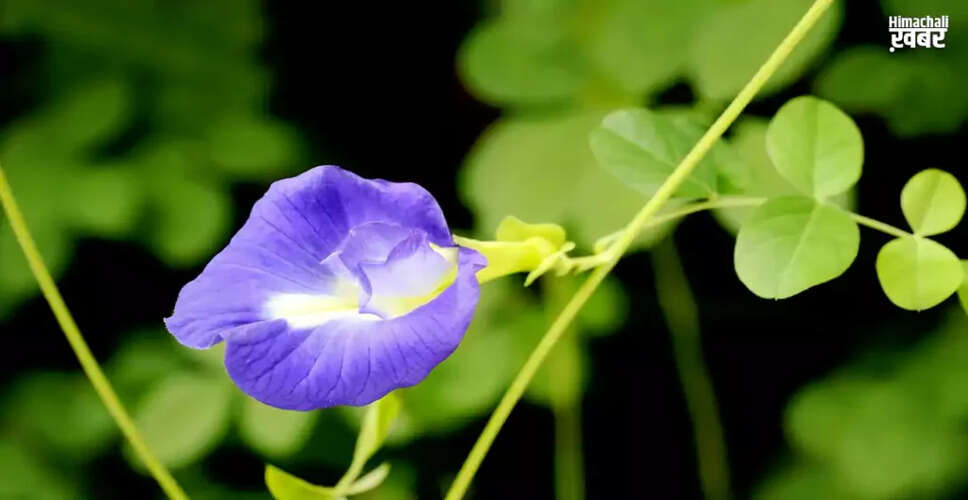
Hello friends! Today, we will explore a remarkable plant known for its medicinal properties, aptly named Aparajita. This plant, scientifically referred to as Megrin, is quite common and is often used for decorative purposes in gardens due to its beautiful flowers.
Characteristics of Aparajita
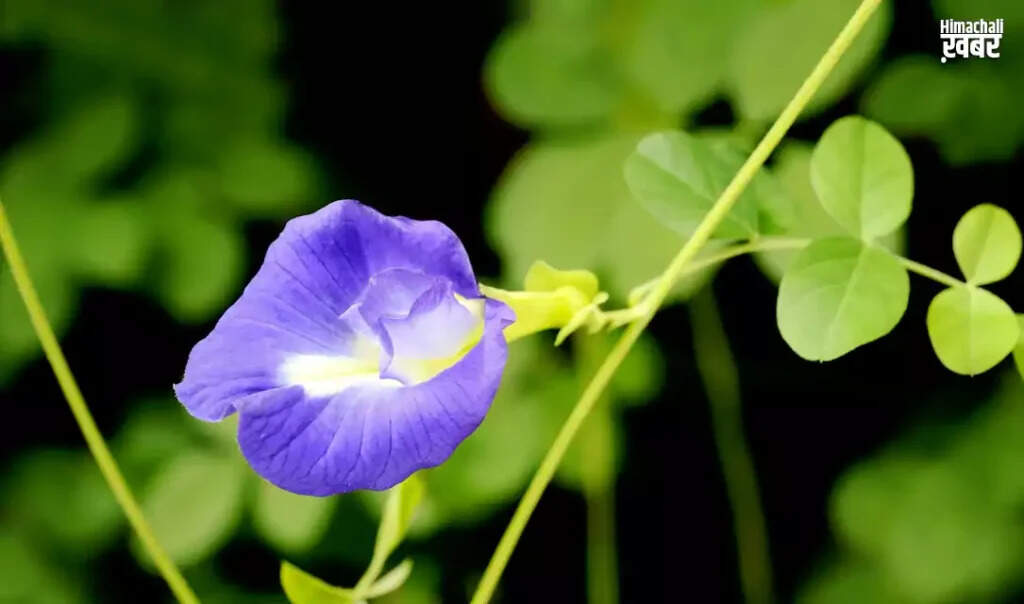
Aparajita is a climbing vine that can produce both single and double flowers, available in blue and white varieties. It is recommended to plant the white-flowered version at home, as it is known to counteract snake venom. This plant, also called Vishnukanta or Gokarni, is often found in parks and gardens for its aesthetic appeal, blooming with pods and flowers during the rainy season.
Uses Against Snake Venom
If snake venom has penetrated the skin, mix 12 grams of the root powder with ghee and administer it. For venom that has entered the bloodstream, combine 12 grams of root powder with milk. If the venom has spread to the flesh, mix 12 grams each of kuth and Aparajita root powder. In cases where the venom reaches the bones, a mixture of turmeric and Aparajita powder should be given.
If the venom has affected fatty tissues, combine equal parts of Aparajita and Ashwagandha powder. For genetic material affected by the venom, administer 12 grams of Aparajita root powder with 12 grams of Isarmool tuber powder. These remedies should be repeated twice, but only a knowledgeable person can determine the extent of the venom's spread.
Medical science suggests that the speed of venom spread depends on the snake species. Non-venomous snakes, like water snakes, may take up to five days for their venom to affect offspring, making it crucial to address snake bites promptly.
Additional Health Benefits
Facial Spots: Applying a paste of Aparajita root ash mixed with butter can help eliminate facial spots.
Headaches: Instilling 8-10 drops of juice from Aparajita pods or root juice into the nostrils on an empty stomach can alleviate headaches. Binding the root to the ear may also provide relief.
Leucoderma: For leucoderma, a paste of 20 grams of Aparajita root and 1 gram of Chakramard root mixed with water can be beneficial. Consuming roasted seeds with ghee twice daily can yield results within 1.5 to 2 months.
Skin Disorders: Administering a decoction of Aparajita leaves twice daily can treat various skin ailments.
Jaundice: For jaundice, administering half a gram of roasted Aparajita seeds in warm water twice daily can be effective.
Migraine: Instilling 4 drops of Aparajita seed juice into the nostrils can relieve migraine pain.
Conclusion
Note: The herbal remedies mentioned can be found at local herbal shops or apothecaries.