
Disconnected in the Digital Age: Niyamgiri Hills Struggle for Mobile Connectivity
Connectivity Crisis in Rayagada's Tribal Areas
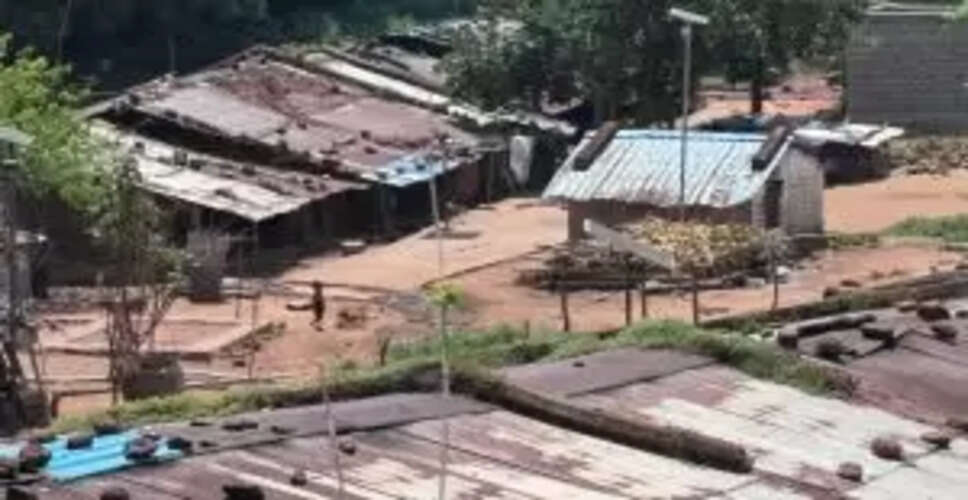
Rayagada: The Rayagada district, known for its diverse tribal communities, is also home to significant industries, including a paper mill and bauxite mining. Yet, residents in this tribal-centric area face ongoing challenges with basic mobile network access. In the remote Niyamgiri hill region, 19 villages remain completely cut off from mobile services, leaving them without internet connectivity as well. The Dongria Kondh community, an indigenous group living in the Niyamgiri Hills within the Kalyansinghpur block, is particularly affected, lacking even the most fundamental cellular services. This region includes two panchayats, Sunakhandi and Parsali, which encompass 36 settlements of the Dongria Kondh tribe, with 19 of these villages lacking any mobile coverage. Locals report that the absence of connectivity poses serious challenges during emergencies.
Despite numerous government initiatives aimed at integrating the Dongria Kondh community, many of these efforts have not materialized, according to Lada Sikaka, president of the Niyamgiri Suraksha Samiti. While Sikapadar village in the Sunakhendi panchayat has limited connectivity, 18 villages in the Parsali panchayat—including Bada Dengneli, Bemberi, Chatikana, and others—remain entirely disconnected. Even in areas where signals are present, internet services are often non-operational. The requirement to link mobile numbers with Aadhaar cards to access government benefits has left these villages unable to complete necessary documentation due to their lack of mobile connectivity. Consequently, many residents are missing out on essential welfare programs, such as food provisions at Anganwadi centers, because they do not have registered mobile numbers.
The lack of connectivity is also a significant risk during medical emergencies. Residents have reported that pregnant women and ill individuals frequently need to be transported over long distances on makeshift stretchers to receive healthcare, as they cannot call for ambulances or health workers. Furthermore, the digital divide has severely impacted children's education, as online learning is unattainable for students in these areas. District Collector Parul Patawari has announced that measures will be implemented under the PM Janman scheme to enhance mobile network services in the 19 affected villages. Meanwhile, tribal communities and local activists continue to press the state government and district administration for urgent action to close the digital gap in the Niyamgiri region.