
Diplomatic Hurdles Persist Between Iran and the US Over Frozen Assets
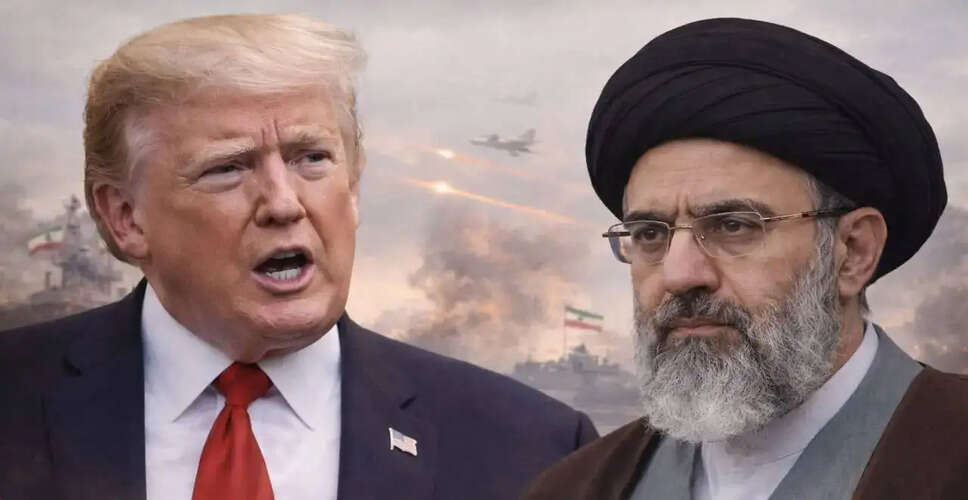

Diplomatic Efforts Stalled
Recent developments indicate that hopes for a significant diplomatic resolution between Iran and the United States are diminishing. New disagreements have surfaced regarding the release of Iran's frozen assets, jeopardizing a potential agreement aimed at reducing tensions in the Gulf and reopening the vital Strait of Hormuz. Reports from Iranian media indicate that Tehran is unwilling to proceed unless Washington agrees to release a portion of its blocked funds at the outset of the deal. This ongoing conflict highlights the profound mistrust that persists between the two nations, despite months of indirect negotiations and mediation efforts involving Pakistan and various Middle Eastern nations. The renewed impasse has also raised alarms about the stability of energy markets, as the anticipated framework was expected to facilitate normal shipping operations through one of the globe's most crucial oil transit routes.
Iran's Stance on Frozen Assets
Tehran Draws A Red Line On Frozen Funds
As reported by Iran’s semi-official Tasnim News Agency, Tehran has made it clear that it will not accept any final agreement unless the US commits to the immediate release of a portion of Iran’s blocked assets. An informed source indicated that Iranian officials feel Washington has frequently altered its stance during negotiations while continuing to hinder key clauses that were supposedly agreed upon earlier through mediation. This concern has already been communicated to Pakistani mediators and other regional stakeholders involved in the discussions.
Iran's Distrust of US Assurances
Iran Rejects ‘Paper Promises’ From Washington
Iranian officials are reportedly skeptical of what they perceive as vague promises from the US regarding sanctions relief and asset releases. The source cited by Tasnim emphasized that Tehran will not accept ambiguous guarantees based solely on future commitments, particularly following what Iran describes as previous American violations and obstructions in earlier agreements. Iran has firmly stated that it will not compromise on its established 'red lines' during the ongoing negotiations.
Ongoing Negotiation Challenges
US Media Reports Major Gaps Still Remain
Multiple American media outlets have reported that a conclusive agreement between Washington and Tehran is still far from being realized, with significant disagreements continuing to impede negotiations. The recent tensions have dampened hopes that months of diplomatic efforts could yield a breakthrough capable of stabilizing global energy markets and alleviating tensions in the Gulf region. A key focus of the proposed framework is the reopening of the Strait of Hormuz, which has experienced severe disruptions amid escalating regional hostilities earlier this year.
Trump's Mixed Messages
Trump Sends Mixed Signals On Negotiations
Former President Donald Trump has expressed cautious optimism regarding the talks while simultaneously noting that no final agreement has been reached. On Saturday, Trump stated that the deal had been 'largely negotiated,' but later clarified that discussions remain incomplete. He emphasized on Truth Social, 'If I make a deal with Iran, it will be a good and proper one,' while also stressing that US pressure on Iran would persist until a formal agreement is finalized and signed. 'The blockade will remain in full force and effect until an agreement is reached, certified, and signed,' he asserted.
Potential Deal Components
What The Proposed Deal Could Include
Among the proposals under consideration is a plan for Iran to reopen the Strait of Hormuz and eliminate its stockpile of highly enriched uranium. However, negotiators remain divided on how the uranium will be managed and the duration of restrictions on Iran’s future enrichment activities. Reports suggest that sanctions relief and the release of frozen Iranian assets would likely occur only after Tehran meets its commitments related to Hormuz and its nuclear program, a sequencing that contradicts Iran’s demand for immediate asset releases at the deal's outset. Trump has consistently maintained that Iran must never be permitted to develop nuclear weapons, stating, 'There can be no mistakes.' Despite extensive negotiations and regional mediation efforts, both sides now appear increasingly hesitant to predict whether a final breakthrough is achievable, with mistrust continuing to overshadow the talks and key disagreements unresolved.