
Diplomatic Efforts Intensify Amid Rising Tensions in West Asia
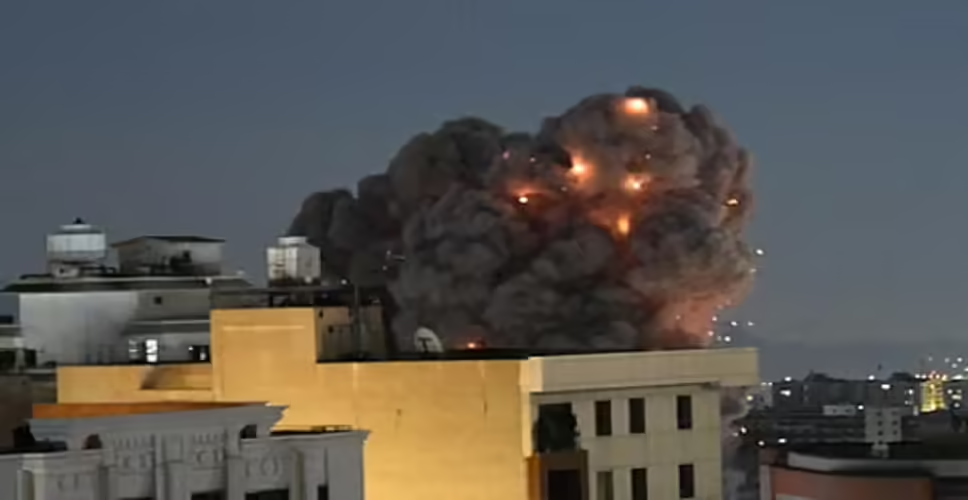
Current Situation in West Asia
As tensions escalate in West Asia, diplomatic initiatives aimed at establishing peace are gaining momentum. Recent attacks on U.S. military bases have exacerbated regional instability; however, discussions between Iran and the United States regarding a potential 45-day ceasefire have reached a critical stage.
According to sources, both nations have been engaged in secret and direct negotiations recently. The primary goal of these talks is to temporarily halt hostilities and alleviate the humanitarian crisis. There is serious consideration being given to implementing a ceasefire for 45 days, although some key issues still require consensus.
The recent assaults on U.S. military installations are viewed as a significant factor contributing to the heightened tensions in the region. In response, the U.S. has tightened security measures and increased vigilance regarding possible retaliatory actions. Conversely, Iran has denied any direct involvement in these attacks, attributing them to regional provocations.
Experts in diplomacy suggest that if a ceasefire agreement is reached under the current circumstances, it could represent a crucial step towards stability in West Asia. Nonetheless, the ongoing lack of trust between the two parties and the recent attacks complicate the negotiation process.
The international community is closely monitoring these discussions. Organizations such as the United Nations are urging both sides to exercise restraint and seek resolution through dialogue. They emphasize that any military action could further deteriorate the situation, impacting both regional and global stability.
Currently, negotiations are in a decisive phase, and a significant decision may emerge in the coming days. Should both nations agree to a 45-day ceasefire, it would not only reduce current tensions but also lay the groundwork for lasting peace in the future.