
Dhruv Rathee Detained Ahead of CJP Protest in Delhi

Overview of the Incident
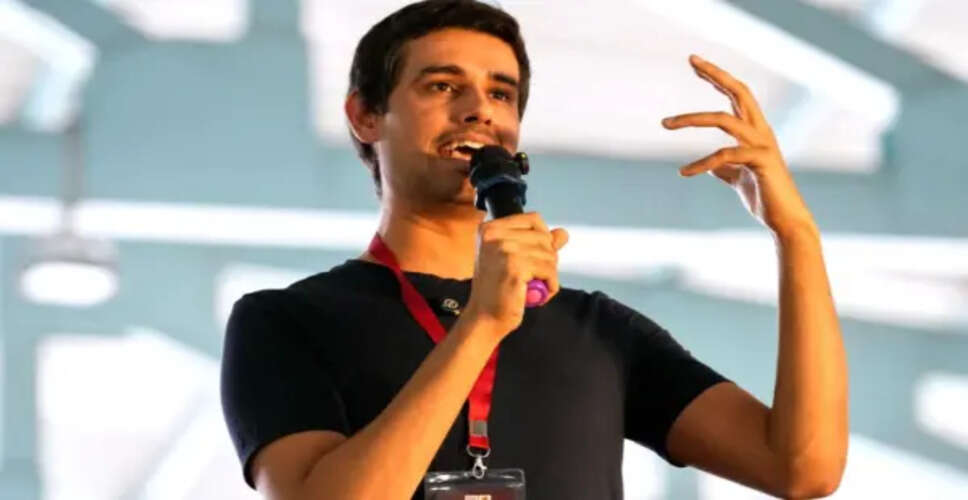
According to media reports, Dhruv Rathee shared a video from India Gate in Delhi on Friday evening, announcing his participation in a protest organized by the Cockroach People's Party (CJP) scheduled for Saturday. Following this, police arrived at his residence in Gurugram on Saturday morning and took him into custody.
Details of the Protest
The protest was aimed at demanding the resignation of Chief Election Commissioner Gyanesh Kumar. Additionally, concerns were raised regarding the Special Intensive Review (SIR) of the voter list.
Enhanced Security Measures in Delhi
In anticipation of the protest, security measures in Delhi were significantly tightened. Reports indicate that thousands of police and paramilitary personnel were deployed throughout the capital. Temporary restrictions were also imposed at several metro station entrances and exits. Officials stated that these measures were necessary to maintain law and order and manage crowds.
Police Stance on the Protest
The Delhi police mentioned that they did not grant permission for the protest, citing concerns over traffic disruption, public safety, and emergency services during any public event. However, the protest organizers asserted their right to peaceful demonstration.
Clarifying the Detention of Dhruv Rathee
It is crucial to understand the distinction between detention and arrest in this context. Initial reports indicated that Dhruv Rathee was taken into custody, but being detained does not automatically imply formal arrest or that charges have been substantiated against an individual.
Conclusion
The news regarding Dhruv Rathee's detention on the morning of October 10, 2026, has sparked discussions across social media and political circles. Reports suggest that around 50 plainclothes officers from the Delhi police arrived at his Gurugram residence to take him into custody, just before the planned CJP protest in Delhi. To fully understand the situation, it is essential to monitor the police's official response, the reasons for the detention, and any subsequent legal actions.