
Devastating Earthquake Strikes Southern Philippines, Prompting Tsunami Warnings
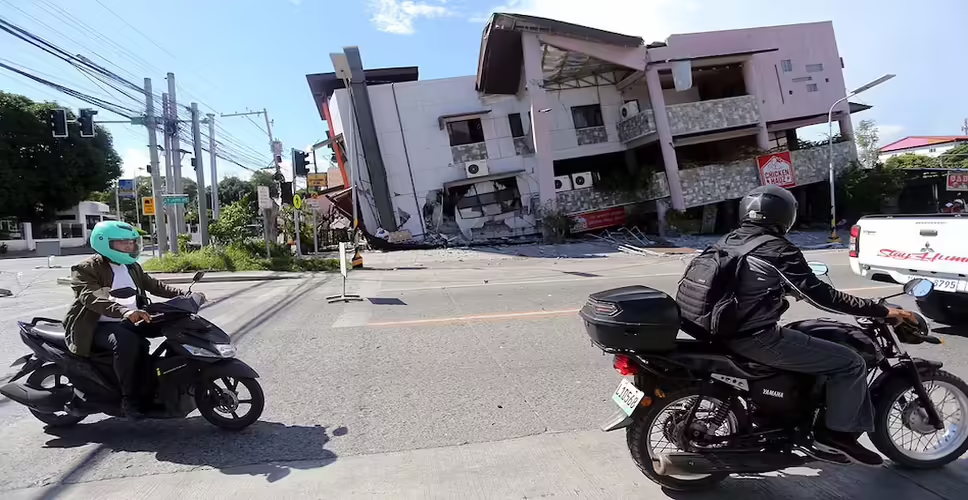

Severe Earthquake Hits the Philippines
The Philippines is grappling with the aftermath of a catastrophic natural disaster as a powerful earthquake has struck the southern region, causing widespread destruction. The tremors have raised concerns about potential tsunamis, intensifying the anxiety among residents. Numerous buildings have sustained damage, roads have been destroyed, and thousands have been evacuated to safer locations. Images and videos emerging from the disaster zone depict a harrowing scene of devastation.
Witnesses reported that the earthquake's intensity prompted people to flee their homes, workplaces, and markets in panic. Power outages were reported in several areas, and communication services were disrupted. Many high-rise buildings developed cracks, and some older structures collapsed. The earthquake also inflicted damage on roads and bridges, complicating initial rescue and relief efforts.
In the wake of the earthquake, a tsunami warning was issued following unusual sea activity. Residents in coastal areas were instructed to move to higher ground immediately. Authorities launched a large-scale evacuation operation, successfully relocating thousands to safety. Although the threat level was later downgraded in several regions, fear persisted among the populace.
Disaster management agencies and local authorities have ramped up relief and rescue operations in the affected areas. Rescue teams are searching for individuals trapped under debris, while the injured are being admitted to hospitals. Many schools, community centers, and government buildings have been converted into temporary shelters, providing food, water, and essential medical care to affected families.
Experts indicate that the Philippines is situated in the Pacific Ocean's 'Ring of Fire,' an area prone to frequent earthquakes and volcanic activity. This recent quake has once again highlighted the region's vulnerability to such natural disasters.
Viral videos and images circulating on social media show damaged buildings, broken roads, and crowds of frightened individuals. Many clips capture people fleeing to safety during the tremors, drawing global attention to the dire situation unfolding in the Philippines.
The government has urged citizens to disregard rumors and rely solely on official information. Additionally, residents have been advised to remain vigilant for aftershocks, which can occur in the days following a major quake. Experts warn that mild to moderate tremors may continue for some time.
Currently, rescue and relief operations are ongoing, with authorities assessing the extent of the damage. Efforts are being made at a rapid pace to restore normalcy in the affected regions. This natural disaster has once again underscored the immense challenges humanity faces in the face of nature's fury.