
Delivery Workers Protest for Fair Treatment Amid Rising Gig Economy in India
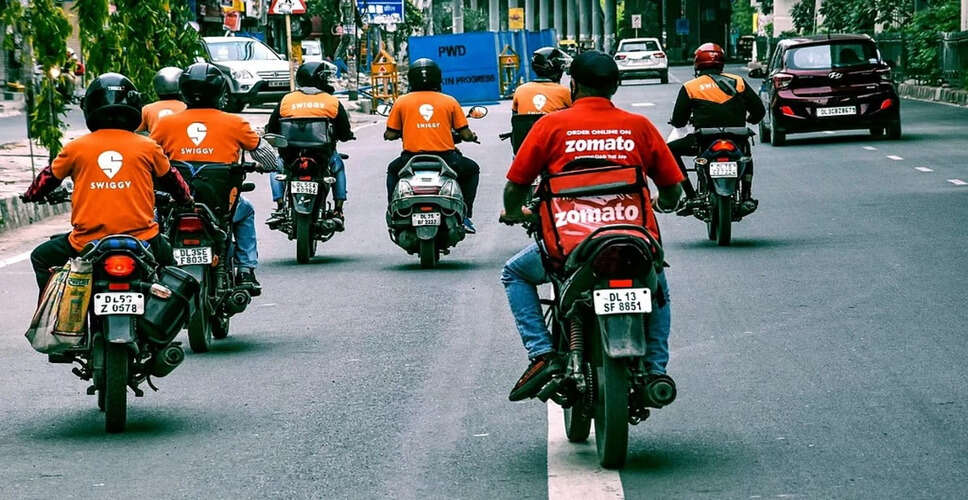
Protests Erupt Among Delivery Workers Nationwide
As the new year begins, delivery workers across the country have taken to the streets to express their frustration. Thousands of delivery partners halted work to protest against what they claim are unrealistic delivery deadlines that jeopardize their safety, dignity, and livelihoods. Reports indicate that this strike has been observed in several major cities, with claims of over 200,000 workers participating.
Demands for Fair Compensation and Safety
The protesters are calling for an end to promises of deliveries within 10 minutes, alongside demands for fair wages, social security, health insurance, and pension benefits. They argue that such tight deadlines in congested Indian cities are not only impractical but can also be life-threatening.
The Rise of Quick Commerce and Its Impact
The quick commerce sector in India has seen rapid growth, with companies like Swiggy, Zomato, Blinkit, and Zepto competing fiercely. This competition has led to promises of 10-minute deliveries, placing immense pressure on delivery personnel. Many workers report that delays result in penalties on their ratings, enforced through algorithms.
Personal Accounts from Delivery Workers
A delivery worker from Hyderabad shared that he works over 10 hours daily, receiving minimal pay per order. After covering expenses for petrol, bike repairs, and food, he is left with very little. Similarly, a delivery boy in Mumbai mentioned that to meet delivery deadlines, he often has to run traffic signals, increasing the risk of accidents.
Company Responses and Worker Sentiments
Companies assert that their systems are balanced and that rapid deliveries are feasible due to an extensive store network. Zomato's co-founder, Deepinder Goyal, noted that the number of workers on their platform is steadily increasing, indicating acceptance of this model. However, labor organizations argue that many individuals are compelled to work under these conditions rather than being satisfied with the system.
The Growing Gig Economy and Its Challenges
The number of gig workers in India is on the rise, potentially reaching 23 million by 2030. Despite the introduction of laws aimed at providing social security, their impact remains limited at the grassroots level. Some states have enacted separate laws, but a comprehensive national framework is still lacking.
Experts Warn of Increasing Inequality
Experts believe that without timely reforms to regulations, this model could exacerbate inequality and exploitation. Currently, the strike by delivery workers reflects a long-standing discontent that has now come to the forefront.