
Delhi's Air Quality: Understanding the Manipulation Behind AQI Fluctuations
The Struggle for Breath in Delhi's Toxic Air
Every November, residents of Delhi find it increasingly difficult to breathe due to the toxic air. On November 2, the Air Quality Index (AQI) was recorded at 366, only to drop to 309 the following day. However, this decline is not a sign of improvement. An in-depth investigation revealed that this drop is not due to cleaner air but rather a result of data gaps and algorithmic manipulation. During one of the city's most polluted weeks, missing data from monitoring stations, suspicious patterns, and relaxed regulations contributed to a misleading AQI, while the actual air quality remained hazardous.
How is AQI Calculated?
The AQI in Delhi is derived from the average of six pollutants, including PM2.5 and PM10, measured at 39 monitoring stations over a 24-hour period. The sub-index of the most polluted pollutant at each station determines the AQI, which is then averaged to provide the city's official AQI. However, there are three significant allowances that can skew the results:
- Not all 39 stations are necessary; 37-38 can suffice.
- If data for a full 24 hours is unavailable, 16 hours is deemed sufficient.
- It is not mandatory to check all pollutants; measuring just one of PM2.5 or PM10 can suffice for AQI calculation.
While these allowances can help when stations malfunction, they can also be exploited to present a lower AQI during peak pollution times when data is missing.
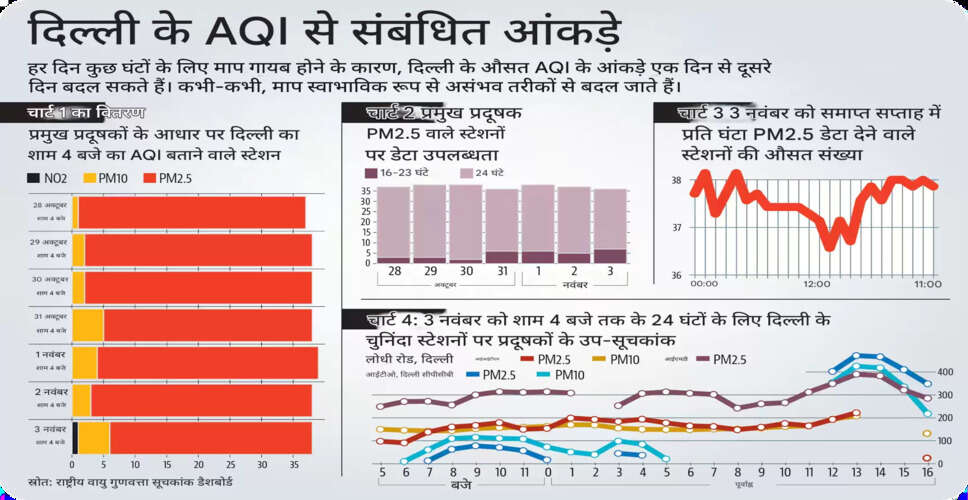
Chart 1: The Shift from PM2.5 to PM10 and NO2
From October 28 to November 3, the AQI at 4 PM should have shown PM2.5 as the dominant pollutant. However, PM2.5 was only prevalent at 32-36 stations, while PM10 and nitrogen dioxide (NO2) took precedence at others, particularly on November 3 at Lodhi Road (IITM).
Chart 2: Missing Data Patterns
Data was selectively missing from PM2.5 stations, with 16-23 hours of data available at some, while full 24-hour data was lacking. On October 28-29, 8% of stations reported less than 24 hours of data, which increased to 19% by November 3. The most significant data gaps occurred between noon and 3 PM, the cleanest hours of the day, as well as during the polluted hours of 7-11 AM and 2 AM.
Chart 3: Reduced Monitoring Stations
Throughout the week leading up to November 3, only 36-38 stations were actively monitored, with all 39 stations being utilized only on November 1.
Chart 4: Sudden Improvements at Three Stations
Between November 2 and 3, the most significant AQI drops occurred at three stations:
- Lodhi Road (IITM): from 319 to 164.
- Shri Aurobindo Marg (DPCC): from 294 to 157.
- ITO (CPCB): from 280 to 155.
At these stations, the primary pollutants shifted; ITO and Aurobindo Marg saw a change from PM2.5 to PM10, while Lodhi Road transitioned from PM2.5 to NO2. Data at ITO was halted between 4-5 AM when the index was below 50, but by noon, it surged past 350.
The Impact of Missing Data
Every hour, 1-2 stations miss PM2.5 data, which can lower the city's average AQI. Sudden fluctuations at monitoring stations may indicate calibration issues or external interference. Environmental groups have reported instances of water spraying near some stations, leading to an inaccurate representation of health risks associated with the AQI.