
Delhi's Air Quality in July: A Mixed Bag of Improvement and Pollution
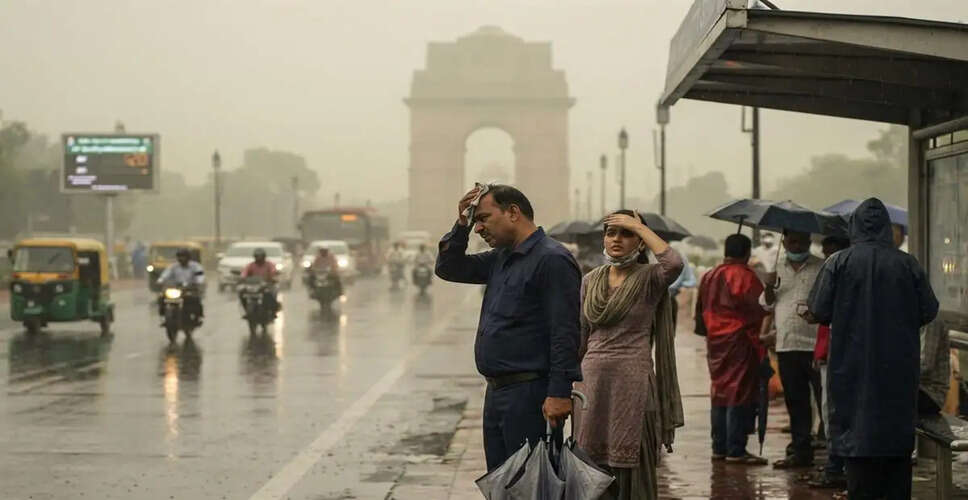

July Weather Patterns in Delhi
The month of July in Delhi experienced significant fluctuations in weather conditions. Notably, for the first time in nearly a decade, the air quality was rated as 'good.' However, it also marked the highest pollution levels recorded in July over the past seven years. Following an extended dry spell, the monsoon brought heavier rainfall than usual, yet July still ended up being the most polluted month in seven years.
Air Quality Index Analysis
According to the Center for Research on Energy and Clean Air (CREA), the average Air Quality Index (AQI) for Delhi during the first 30 days of July was 119. This figure represents the highest average for July since 2019, when the AQI was recorded at 134. Comparatively, this average is significantly higher than last year's July average of 78.
Notable Air Quality Improvements
Despite the poor monthly average, July saw the air quality rated as 'good' for the first time in nine years, with the AQI dropping to 48. This is the lowest daily minimum AQI recorded in July, previously reaching 43 in 2017.
Pollution Peaks in July
Conversely, the AQI peaked at 261 during July, marking the highest daily maximum AQI in the last five years for this month. The previous high was 266 in 2021. Throughout the month, Delhi's air quality was classified as 'moderate' for 15 days, 'satisfactory' for 12 days, 'poor' for two days, and 'good' for one day, with no days recorded as 'very poor.'
Understanding AQI Categories
As per the Central Pollution Control Board (CPCB), the AQI is categorized as follows: 'good' (0-50), 'satisfactory' (51-100), 'moderate' (101-200), 'poor' (201-300), 'very poor' (301-400), and 'severe' (401-500). Despite prolonged interruptions in monsoon activity, most weather stations reported above-normal rainfall for the month.