
Delhi's Air Quality Deteriorates, GRAP Phase 3 Measures Implemented
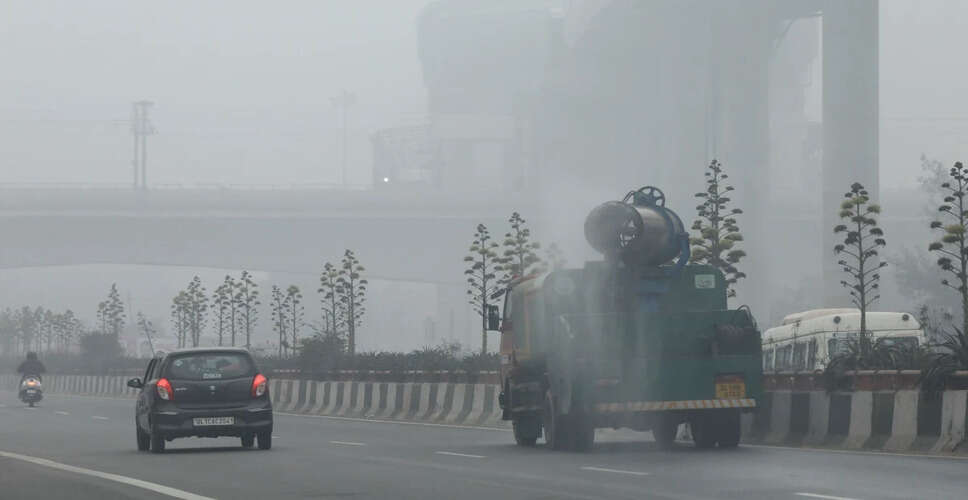
Severe Air Quality Concerns in Delhi
The air quality index (AQI) in Delhi remains consistently in the 'very poor' category, with predictions indicating a potential worsening in the coming days. In response, the Commission for Air Quality Management (CAQM) has activated measures under Phase 3 of the Graded Response Action Plan (GRAP) for the National Capital Region (NCR). As of 4 PM on Friday, the AQI in Delhi was recorded at 354, an increase from 343 at the same time the previous day, signaling a continuous decline in air quality. By 6:30 PM on Friday, the index had further escalated to 350, reflecting the rising pollution levels.
Reasons for Implementing GRAP Phase 3 Measures
The decision to enforce GRAP Phase 3 restrictions was made following forecasts from the India Meteorological Department (IMD) and the Indian Institute of Tropical Meteorology. These forecasts indicated that adverse weather conditions, including low wind speeds, a stable atmosphere, and limited dispersion of pollutants, could push Delhi's average AQI above 400, categorizing it as 'severe.' A sub-committee of the CAQM described this action as a proactive measure to prevent further deterioration of air quality in the NCR.
Actions Under GRAP Phase 3
According to the commission, the restrictions under GRAP Phase 3 are being implemented in addition to the existing measures from Phases 1 and 2, which are already in effect across the region. Pollution control boards and other agencies in the NCR have been instructed to intensify preventive measures to limit further pollution. Authorities have also urged citizens to reduce outdoor activities, minimize the use of private vehicles where possible, and adhere to all advisories to avoid exposure to hazardous air.