
Delhi's Air Pollution Crisis: Government Takes Action Amid Seasonal Smog
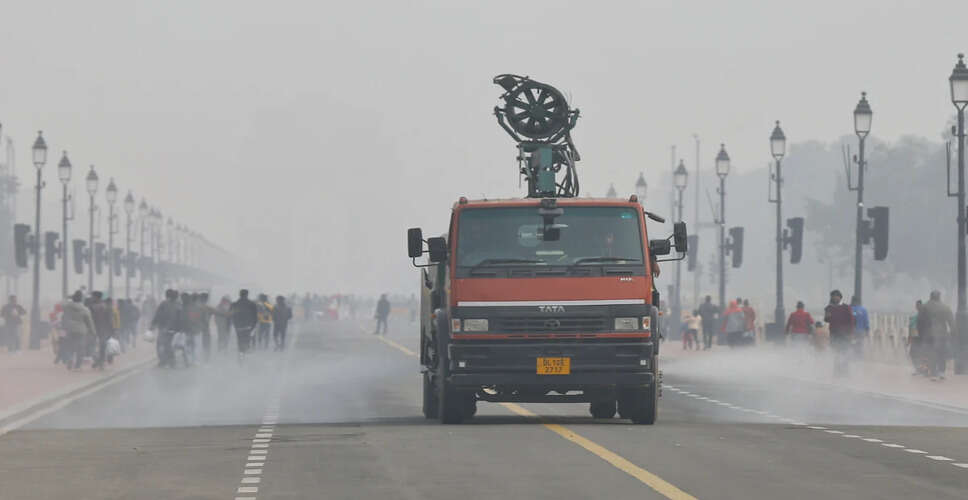
The Annual Smog Crisis in Delhi
Every winter, Delhi transforms into a gas chamber. The air thickens, visibility diminishes, lungs burn, and schools shut down. Political leaders exchange blame, courts issue stern directives, and television studios amplify the language of disaster. Yet, as the winds shift, the crisis fades from public memory, only to return in the same dreadful manner the following year.
Misconceptions About Seasonal Pollution
The pollution in Delhi and the National Capital Region is often labeled as a seasonal issue, which is misleading. What we witness each winter is not a sudden catastrophe but the culmination of long-standing failures: governance, planning, environmental awareness, and civic responsibility. Smog is merely the final symptom of a deeper ailment.
Government Initiatives to Combat Pollution
Amid rising concerns over air quality, the Delhi Cabinet made significant decisions on Tuesday aimed at strengthening public transport, enhancing environmental governance, and tightening pollution control measures. Environment Minister Manjinder Singh Sirsa announced these initiatives during a press conference.
DTC to Operate All Buses
A key decision involves the operation of public transport in the city. The Cabinet has dissolved the responsibility of the Delhi Integrated Multi-Modal Transit System (DIMTS), which previously managed 50% of the buses. Now, the Delhi Transport Corporation (DTC) will oversee 100% of the bus operations in the capital. This move is expected to improve route rationalization and enhance the efficiency of public transport services.
E-Waste Recycling Plant Approved
In another significant step, the Delhi government has approved the establishment of an e-waste recycling plant in Holambi Kalan. This facility will span 11.5 acres and will operate without wasting water.
Revitalizing Water Bodies
The Cabinet has also approved a plan to rejuvenate water bodies across the capital. Delhi is home to over 1,000 water bodies, with 160 directly under government jurisdiction. An initial allocation of ₹100 crore has been set aside for restoration, with provisions for additional funding if necessary.
Fuel Sales Linked to Pollution Control
To further tighten pollution control, the government has decided that petrol will not be sold in Delhi without a valid Pollution Under Control Certificate (PUCC), even after the Graded Response Action Plan (GRAP) is lifted.
Inspection of PUCC Centers
Officials have begun inspecting PUCC centers throughout the city. So far, irregularities have been found in 12 centers, which have been suspended.
Approval for Automatic Testing Centers
The Cabinet has approved four automatic vehicle testing centers and permitted the use of anti-smog guns and mist cannons on tall buildings to combat air pollution.
Closure of Polluting Industries
In a move against industrial pollution, the government has ordered the closure of over 800 polluting industries in Delhi. The Delhi Pollution Control Committee (DPCC) has issued closure notices to 411 units, while the Municipal Corporation of Delhi (MCD) has sealed nearly 400 such industries. Meanwhile, the Delhi government has taken several major steps to reduce pollution and ensure a cleaner environment. Chief Minister Rekha Gupta reiterated that the government will implement a zero-tolerance policy against all sources of pollution.
High-Level Review Meeting
To assess pollution control measures and make effective decisions, a high-level review meeting was held at the Delhi Secretariat on Monday. Key decisions included strict enforcement of Pollution Under Control (PUC) regulations without exemptions, considering the introduction of pooled and shared electric bus services in Delhi-NCR, issuing new guidelines for e-rickshaws, and improving DTC bus routes.
Political Blame Game
Earlier, Delhi's Lieutenant Governor V.K. Saxena wrote to former Chief Minister and Aam Aadmi Party (AAP) national convenor Arvind Kejriwal, holding him responsible for the air pollution situation in the national capital. In response, the AAP accused Saxena of 'political distraction' and 'drama' regarding the pollution issue, while also alleging that the BJP was attempting to divert attention from the Delhi government's failures in addressing the environmental crisis.