
Delhi University Allows Offline Admissions for Vacant Seats in Two Colleges
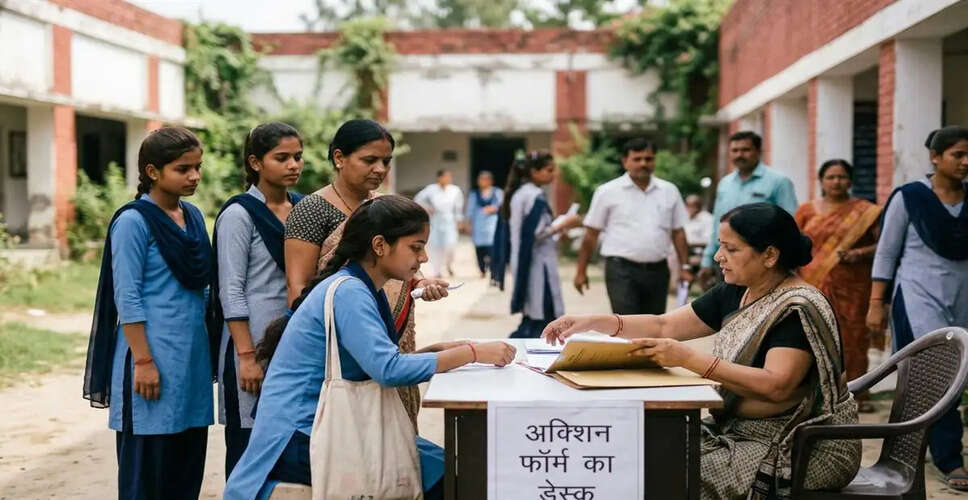

Delhi University Grants Special Permission for Offline Admissions
New Delhi, August 4 - Delhi University has granted special permission to two of its colleges—Aditi Mahavidyalaya and Bhagini Nivedita College—to conduct offline admissions based on merit for vacant seats in undergraduate programs. This decision comes after several rounds of the Common University Entrance Test (CUET) based admission process, which left many seats unfilled. This approach diverges from the university's standard admission procedure, which utilizes the Common Seat Allocation System (CSAS) for undergraduate courses.
On August 1, Bhagini Nivedita College issued a circular inviting applications for merit-based offline admissions for various undergraduate courses, including B.Com, B.A., and B.Sc. The circular specified that admissions would be determined solely based on marks obtained in the 12th grade and the availability of seats, with applications due by August 5. Document verification and fee payment are scheduled for August 6 and 7.
The college administration noted that despite multiple rounds of the CSAS admission process in recent years, many seats remained unfilled, prompting them to seek special permission from the university.
Aditi Mahavidyalaya, located in Bawana, reported that approximately 40% of its seats have remained vacant under the CUET admission process in recent years. The college administration indicated that many students from nearby rural areas, particularly girls, hesitate to register for CUET due to concerns about studying away from home, resulting in qualified candidates being overlooked despite their good performance in the 12th grade. The decision by the university has faced criticism from the Indian National Teachers Congress (INTUC), which has urged the Vice-Chancellor to implement a uniform policy for filling vacant undergraduate seats across all colleges rather than limiting it to just two institutions.