
Delhi Tops Survey for Most Profane Language Usage in India

Language as a Social Indicator
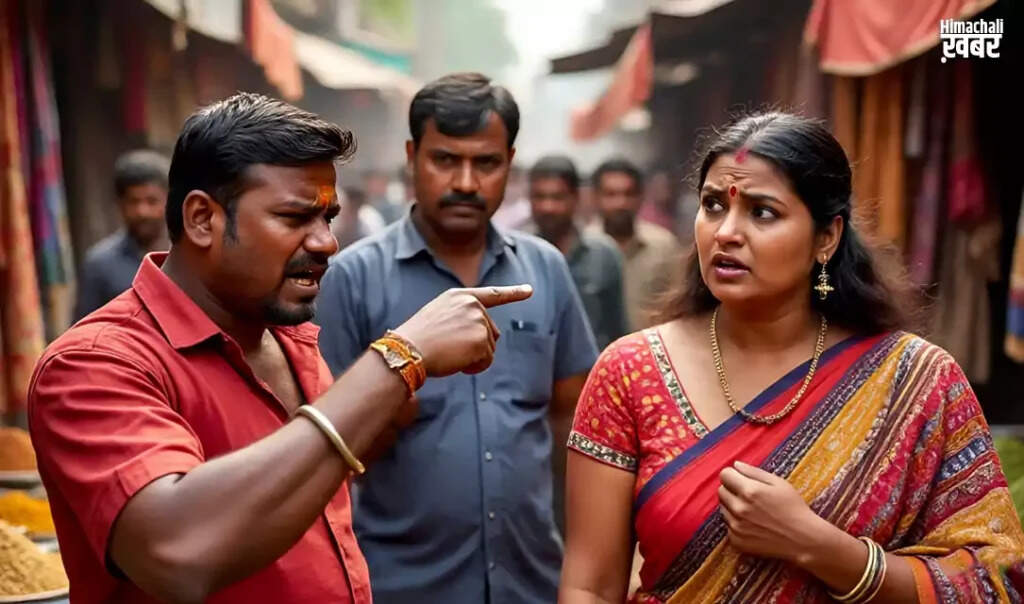
In a country as diverse as India, language serves as a profound social indicator. A recent survey has revealed which state’s residents are the most likely to use profanity in their conversations.
Survey Insights
The survey, titled 'Gaali Band Ghar Abhiyan', was conducted by Dr. Sunil Jaglan from 2014 to 2025 under the 'Selfie with Daughter Foundation' and Maharshi Dayanand University. It gathered data from 70,000 individuals across urban and rural India, including teachers, students, doctors, police officers, auto drivers, and youth.
Delhi Leads in Profanity Usage
According to the findings, Delhi ranks first, with 80% of respondents admitting to using swear words in daily conversations. Notably, derogatory remarks about women are also prevalent. Factors such as traffic congestion, crowds, competition, and a fast-paced lifestyle contribute to the irritability of Delhi residents.
Top 10 States for Profanity
India's Top 10 States Where Profanity is Common:
Reasons Behind Profanity
- In states like Punjab and Haryana, swearing is sometimes seen as a humorous aspect of friendship.
- In Uttar Pradesh and Bihar, profanity is common in political, familial, and road disputes.
- In Rajasthan, using mild swearing in anger or jest is considered normal in villages.
- Urban stress and slang culture among the youth in Maharashtra and Gujarat contribute to the trend.
- In Kashmir, the use of profanity is minimal due to cultural and emotional factors.
Women Also Engage in Profanity
Surprisingly, 30% of female participants acknowledged using profanity, indicating that swearing is no longer solely a male behavior but has become a social norm.
Objectives of the Campaign
- Promote civil language.
- Monitor conversations at home.
- Teach children and youth about politeness.
A Growing Concern
Swearing has evolved beyond mere arguments or anger; it has become a part of communication in India. Campaigns like 'Gaali Band Ghar' challenge society to reflect on whether this language habit can be changed. What about you? Do you notice an increasing trend of profanity in your surroundings?
Survey Details
Dr. Sunil Jaglan, founder of the Selfie with Daughter Foundation and a professor at Maharshi Dayanand University, led the 'Gaali Band Ghar' campaign, which included a survey involving approximately 70,000 participants over 11 years. The participants ranged from youth, parents, teachers, doctors, auto drivers, students, police officers, lawyers, businesspeople, sanitation workers, professors, and local council members.
Campaign Initiation
Dr. Jaglan initiated the 'Gaali Band Ghar' campaign in 2014, stating that swearing is not a cultural trait but a societal issue. He emphasized that when children hear profanity from phones or their surroundings, it becomes ingrained in their minds and eventually becomes a habit. Over 60,000 locations across the country have displayed charts promoting the campaign, which has gained international recognition.