
Delhi-NCR Implements Phase II of Graded Response Action Plan Amid Severe Air Quality Crisis
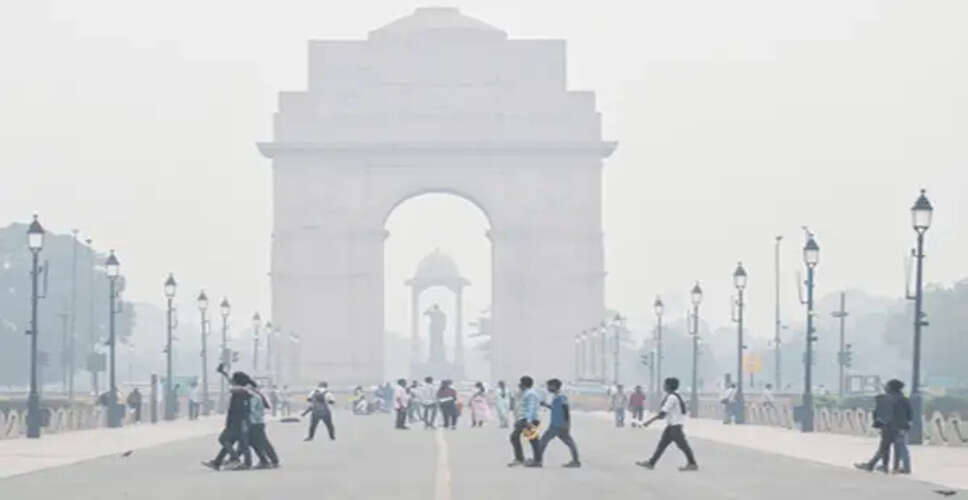

Severe Air Quality Concerns in Delhi-NCR
New Delhi – The air quality index in various regions of Delhi and the National Capital Region has reached alarming levels. In response to the escalating pollution, the Air Quality Management Commission has swiftly enacted the second phase of the Graded Response Action Plan (GRAP). Areas like Noida have recorded an extremely serious AQI. The commission has urged all residents to strictly adhere to pollution control regulations and the citizen charter.
GRAP, which stands for Graded Response Action Plan, is an emergency framework designed to tackle air pollution in Delhi and NCR. This system establishes stringent rules based on pollution levels, with restrictions becoming more severe as air quality deteriorates. The Ministry of Environment first notified this system in 2017, and the responsibility for its implementation and monitoring now lies with the Air Quality Management Commission, which continuously tracks data from the meteorological department.
The various phases of this system are determined by air quality levels. The first phase is triggered when air quality is classified as 'poor,' which includes regulations to control dust at construction sites and a ban on open burning of waste. The second phase, activated during 'very poor' air quality, involves restrictions on diesel generators and increased parking fees. The third phase is implemented during 'severe' conditions, leading to a halt on construction activities and restrictions on older vehicles. The fourth and final phase is reserved for 'extremely severe' situations, which may include a ban on truck entry and school closures.
During the currently enforced second phase, specific traffic regulations have also been issued. Only select vehicles are permitted on the roads, while many categories face complete bans. Vehicles allowed to operate include those with valid pollution certificates, BS-IV compliant cars, electric and CNG vehicles, as well as modern buses. Conversely, older vehicles and commercial vehicles without valid certificates will face strict prohibitions.
Authorities and traffic police have appealed to citizens to contribute to pollution reduction efforts. Residents are advised to maintain their vehicles properly, avoid leaving engines running unnecessarily, and refrain from burning waste. Additionally, they are encouraged to use public transport or carpool whenever possible and to check traffic advisories and diversions before heading out.