
Delhi Metro Expansion: What You Need to Know About the New Rs 12,015 Crore Project
Major Expansion of Delhi Metro Approved
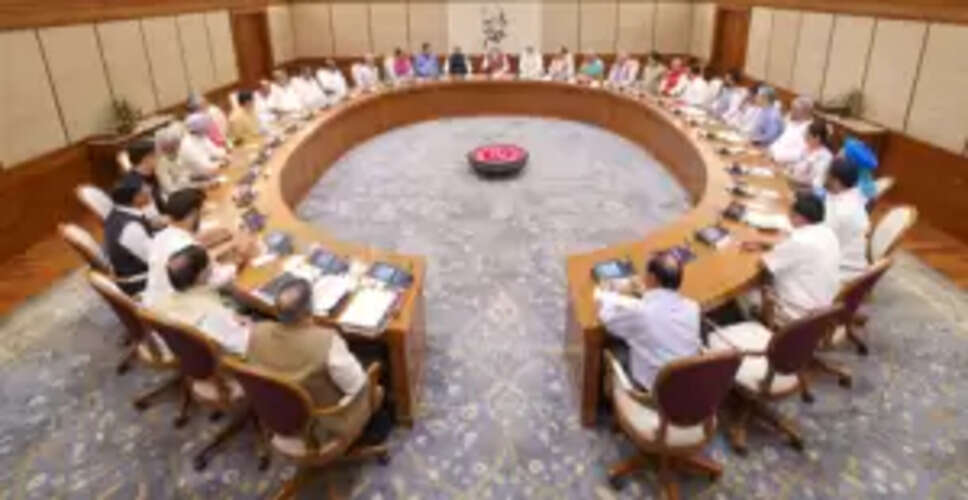
New Delhi: The Union Cabinet, led by Prime Minister Narendra Modi, has given the green light to a significant project worth Rs 12,015 crore aimed at expanding the Delhi Metro Phase V (A). This initiative will introduce 13 new stations across three corridors, covering a total distance of 16 kilometers.
The new corridors will connect R.K. Ashram Marg to Indraprastha (9.913 km), Aerocity to IGD Airport Terminal 1 (2.263 km), and Tughlakabad to Kalindi Kunj (3.9 km), enhancing the overall connectivity within the capital city.
Funding for the Phase V(A) project will come from the Government of India, the Delhi Government, and various international funding sources, as stated in an official announcement.
The Central Vista corridor will link all Kartavya Bhawans, providing convenient access for office workers and visitors in the vicinity. This development is expected to benefit approximately 60,000 office employees and 200,000 visitors daily, while also contributing to reduced pollution and fossil fuel consumption, thereby improving the quality of life.
The R.K. Ashram Marg to Indraprastha segment will extend the existing Botanical Garden-R.K. Ashram Marg corridor, facilitating Metro access to the redeveloping Central Vista area. The Aerocity to IGD Airport Terminal 1 and Tughlakabad to Kalindi Kunj sections will enhance airport connectivity to southern regions of Delhi, including Tughlakabad and Saket. In total, the project will feature 13 stations, with 10 underground and 3 elevated.
Upon completion, the R.K. Ashram Marg to Indraprastha corridor will significantly improve connections between West, North, and Old Delhi with Central Delhi. The other two corridors will link South Delhi to the domestic airport, enhancing travel options for residents.
These extensions of the Phase V(A) project will broaden the Delhi Metro's reach in Central Delhi and the Domestic Airport, stimulating economic growth. The new Magenta and Golden Line extensions will alleviate road congestion and help mitigate pollution from vehicles.
The stations planned for the R.K. Ashram Marg to Indraprastha section include R.K. Ashram Marg, Shivaji Stadium, Central Secretariat, Kartavya Bhawan, India Gate, War Memorial – High Court, Baroda House, Bharat Mandapam, and Indraprastha.
For the Tughlakabad–Kalindi Kunj section, the stations will be Sarita Vihar Depot, Madanpur Khadar, and Kalindi Kunj, while Aerocity will connect to IGD Terminal 1.
This project aims to enhance last-mile connectivity and alleviate congestion on some of the busiest routes in the capital. The entire project is expected to be completed within three years, pushing the Delhi Metro network beyond the 400-kilometer mark.
Union Minister Ashwini Vaishnaw remarked, "This expansion marks a new chapter for the Delhi Metro, with a sanctioned budget of Rs 12,015 crore."
The initiative is projected to save around 33,000 tonnes of CO2 emissions, according to the minister.
The expansion will introduce 13 new stations to the existing network, connecting residential areas, commercial hubs, and transit points.
Currently, construction is ongoing for Phase-I, V, which includes 111 km and 83 stations, with approximately 80.43% of the civil work for Phase-IV (3 Priority) corridors completed. These corridors are expected to be finished in stages by December 2026.
The Delhi Metro currently serves around 6.5 million passengers daily, with a peak of 8.187 million journeys recorded on August 8, 2025. It has become an essential part of the city’s infrastructure, exemplifying excellence in key metrics such as punctuality, reliability, and safety.
Presently, the Delhi Metro operates 12 lines spanning about 395 km with 289 stations, making it the largest metro system in India and one of the largest globally.