
Delhi Implements Strict Pollution Control Measures Starting December 18
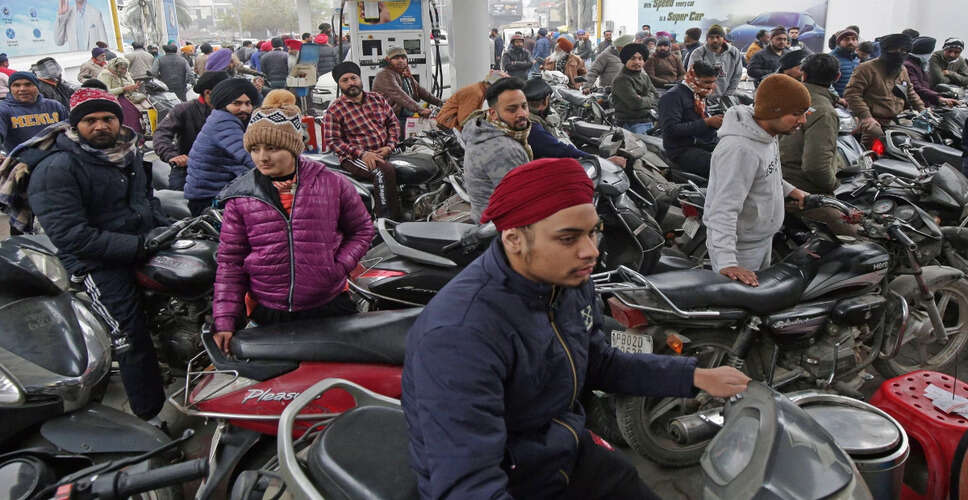
New Fuel Regulations for Vehicles in Delhi
In response to the escalating pollution levels in the capital, Environment Minister Manjinder Singh Sirsa announced today that starting December 18, vehicles without a valid Pollution Under Control Certificate (PUCC) will be denied fuel at petrol stations. He further stated that only BS-VI compliant vehicles from outside Delhi will be permitted entry into the city from Thursday.
During a media briefing, Sirsa emphasized that the enforcement of this rule will be monitored through a camera-based system to ensure compliance.
Implementation of GRAP-IV Measures
These measures are part of the GRAP-IV framework, which represents the highest level of pollution control restrictions. Under these regulations, trucks and commercial vehicles registered outside Delhi will be barred from entering the city, except for those involved in essential services. Additionally, construction activities have been prohibited under GRAP-IV guidelines.
Air Quality Improvements Noted
Sirsa noted that the Air Quality Index (AQI) has improved from an average of 380 to around 360, with air quality being better in eight out of the last eleven months compared to the previous year.
Criticism of Previous Government
Targeting the previous AAP government and former Chief Minister Arvind Kejriwal, Sirsa claimed that the current pollution crisis was inherited from the past administration, stating, "Those who contribute to pollution are now protesting against these measures."
Previous Pollution Control Efforts
Listing some of the pollution control initiatives taken so far, the minister mentioned that the height of landfill sites has been reduced by 15 meters, and approximately 8,000 industries have been brought under stringent pollution control regulations. He also highlighted that fines totaling ₹9 crore have been imposed on polluting industries.
Measures to Reduce Emissions
To curb emissions from burning wood, the government has distributed 10,000 heaters and has instructed banquet halls to regulate the use of DJs. Furthermore, transportation of building materials within Delhi has been banned, with strict actions promised against violators.
Acknowledgment of Ongoing Challenges
Sirsa acknowledged the gradual improvement in air quality month by month but admitted that completely controlling pollution in a short time frame is unrealistic. He expressed regret to the residents of Delhi, stating, "It is not possible to completely eliminate pollution in seven to eight months." He also criticized Congress leaders Rahul Gandhi and Priyanka Gandhi Vadra for not wearing masks last year, suggesting a collusion between Congress and AAP.
Identification of Pollution Hotspots
The minister revealed that 62 pollution hotspots have been identified in Delhi, with 13 showing reduced pollution levels compared to last year. He also stressed the inclusion of 3,427 electric buses to help mitigate vehicle emissions.
Formation of Scientific Committee
A committee of scientists has been established to study pollution trends and recommend further measures. Sirsa assured that the government will continue to enforce strict regulations to protect public health.
Current Air Quality Status
On Tuesday morning, a slight improvement in air quality was observed, with the AQI recorded at 377 ('very poor'), down from 498 ('severe') the previous day, although fog persisted, reducing visibility.
Understanding AQI Levels
According to the Central Pollution Control Board (CPCB), AQI levels are categorized as follows: 0-50 is 'good', 51-100 is 'satisfactory', 101-200 is 'moderate', 201-300 is 'poor', 301-400 is 'very poor', and 401-500 is 'severe'.