
Delhi High Court Upholds Temporary Ban on Telegram Ahead of NEET-UG 2026
The Delhi High Court has confirmed the government's temporary ban on Telegram in light of concerns over exam integrity for NEET-UG 2026. This decision follows allegations of organized cheating linked to the platform. The court dismissed Telegram's challenge, stating the government's measures were necessary and not overly restrictive. The ban aims to prevent further irregularities after the cancellation of the May 3 exam due to paper leaks. Telegram argues the action is unjustified and discriminatory against its platform. The situation continues to unfold as the CBI investigates the matter.
| Jun 19, 2026, 13:20 IST
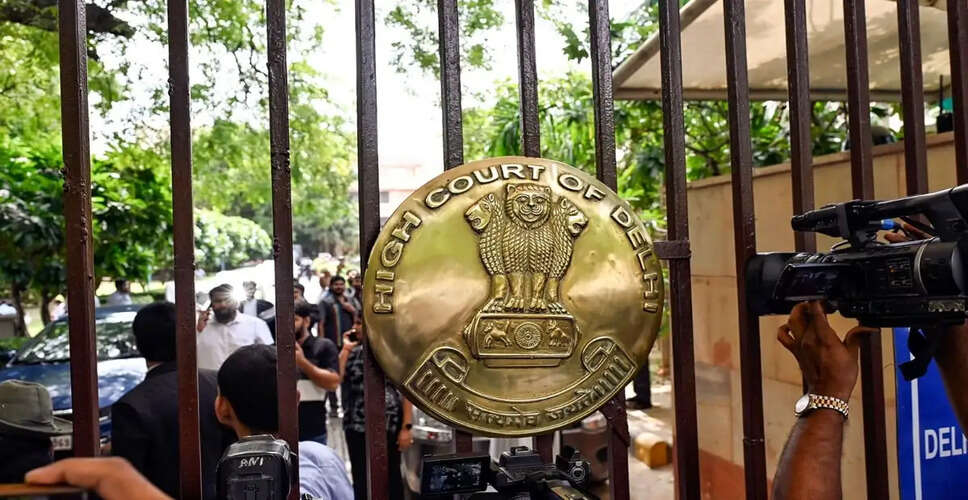

Court Decision on Telegram Ban
The Delhi High Court affirmed the central government's decision to impose a temporary ban on the messaging platform Telegram prior to the NEET-UG 2026 re-examination. The court stated that the government's actions were appropriate and specifically aimed at addressing concerns regarding potential exam malpractices. Justice Tejas Karia delivered the ruling, dismissing Telegram's petition that challenged the blocking order issued under Section 69A of the Information Technology Act, 2000. In its judgment, the court noted that the government's measures were minimally restrictive and not excessively harsh.
Reason Behind the Government's Action
The government implemented this temporary ban due to suspicions that organized cheating networks involved in the NEET-UG controversy were utilizing Telegram. Following allegations of paper leaks and irregularities during the NEET-UG exam held on May 3, the examination was canceled, prompting a decision to conduct a re-test. The Central Bureau of Investigation (CBI) is currently investigating the matter. Acting on recommendations from the National Testing Agency (NTA), the Ministry of Electronics and Information Technology (MeitY) directed a temporary suspension of Telegram's use in India until June 22. Additionally, the government instructed the platform to disable the ability to edit previously posted messages by June 30.
Telegram's Challenge to the Ban
Telegram contested this order by approaching the High Court. The company argued that the government targeted its platform without substantial justification while allowing other social media platforms to operate without such restrictions. Telegram claimed that this action violated Article 14 of the Constitution and was excessively stringent. During the proceedings, Telegram asserted that it had been in active communication with government agencies since May and had provided detailed clarifications regarding its moderation processes and compliance efforts. According to the company, specific URLs shared by officials on June 9 were removed within an hour.