
Delhi High Court Upholds Students' Right to Peaceful Protest
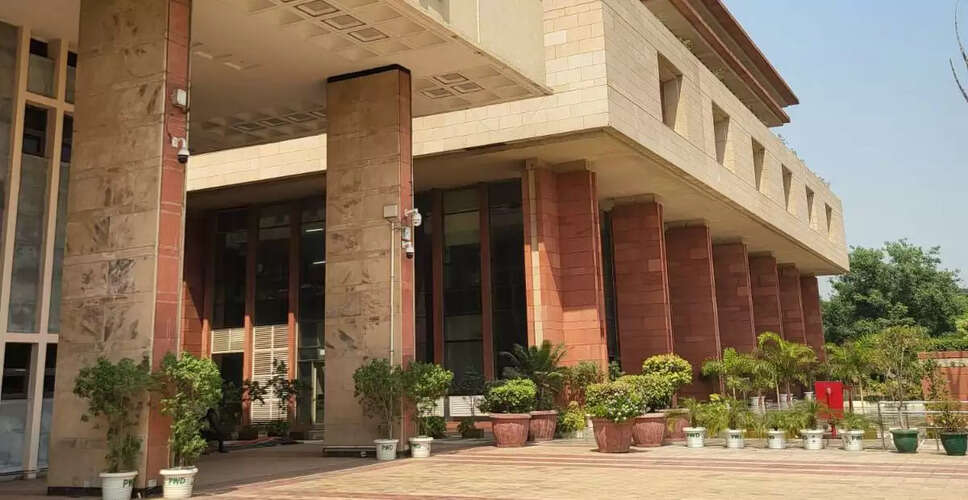
Court Ruling on Student Protests
The Delhi High Court has ruled that educational institutions cannot prohibit peaceful protests simply because the students' opinions differ from those of the administration, as reported on Tuesday.
This decision came as the court overturned the expulsion of a student from Dr. BR Ambedkar University, deeming the punishment to be excessively harsh and legally indefensible.
In a ruling dated March 13, Justice Jasmeet Singh granted the student's appeal against disciplinary actions taken against her in June and August.
Justice Singh emphasized that a university should not only demand compliance but also foster an environment where protests and critiques are welcomed. He stated, “A university that only promotes obedience and stifles dissent fails in its educational mission.”
He further articulated that universities should be venues for cultivating independent thought, encouraging students to question and engage in critical discussions.
The court noted that peaceful protests and non-violent dissent are integral to the academic atmosphere, asserting that such actions should not be classified as misconduct, as they embody the essence of free expression that universities should promote.
The student, who is pursuing global studies, reported experiencing severe bullying and gender-based harassment, which led her to self-harm. Following her complaints and protests regarding these incidents, the university suspended her, as reported.
In April 2025, the High Court permitted her to attend classes but prohibited her from participating in protests while the investigation was ongoing.
The university later accused her of violating this order by joining a campus-wide boycott, subsequently issuing a show-cause notice before expelling her for her involvement in a sit-in protest.
The student contended that she was not part of the protest but was merely present to meet a friend when campus security captured her image.
Upon reviewing the case, the court found no evidence that the protest disrupted university operations or hindered other students' academic activities.
It clarified that any penalties for breaching a court order are the court's responsibility, not the university's.
The court annulled the disciplinary actions, determining that the loss of one academic year was adequate punishment, and allowed her to continue her studies from the third semester in July.