
Delhi High Court Suggests Transfer of Climate Activist Sonam Wangchuk to Medanta Hospital
The Delhi High Court has advised that climate activist Sonam Wangchuk be transferred from Safdarjung Hospital to Medanta Hospital for enhanced medical monitoring. This recommendation follows a review of his health status and concerns raised by his wife regarding his treatment. The court's decision reflects a consensus among medical experts on the need for continuous oversight of Wangchuk's health during his ongoing hunger strike. The Solicitor General has indicated that the government supports this transfer, emphasizing the importance of medical supervision throughout the process. Read on for more details about the court's findings and Wangchuk's health condition.
| Jul 21, 2026, 14:43 IST

Court's Recommendation for Hospital Transfer
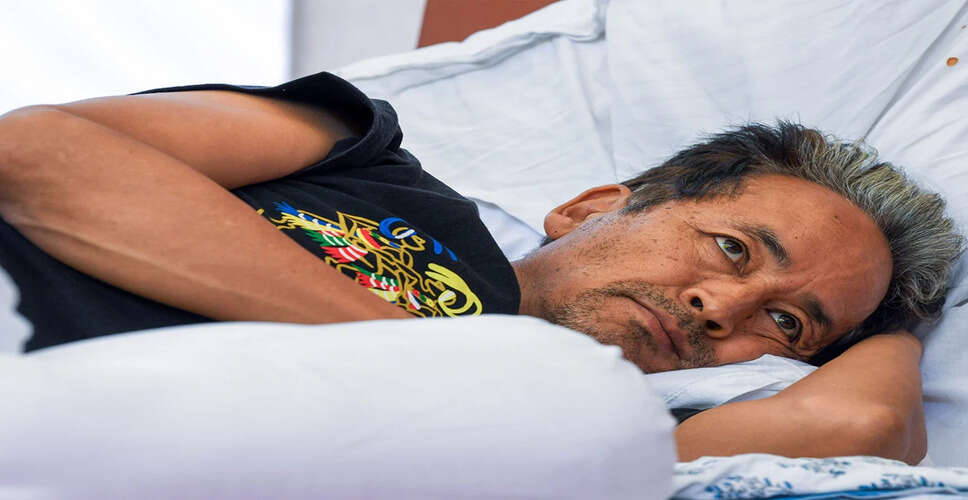
The Delhi High Court proposed on Tuesday that climate activist Sonam Wangchuk be moved from Safdarjung Hospital to Medanta Hospital. The court acknowledged that medical experts agreed on the necessity for continuous monitoring of his health, while also considering the concerns he raised in a letter regarding his stay in a government facility. This statement was made during a hearing on an appeal by Wangchuk's wife, Dr. Geetanjali Angmo, who contested a previous ruling that denied Wangchuk the option to transfer to a private hospital of his choice.
Medical Consensus on Continuous Monitoring
After reviewing the medical records presented to the court and consulting with doctors from AIIMS, Safdarjung Hospital, and Wangchuk's treatment team, the bench concluded that there was a consensus among medical experts regarding the need for ongoing medical supervision. The bench stated, "We recommend that he be transferred to Medanta, his preferred hospital." Additionally, they emphasized the importance of addressing the concerns raised by Wangchuk in his letter.
Details of Wangchuk's Health Condition
Senior Advocate Akhil Sibal, representing Dr. Angmo, informed the court that Wangchuk's essential medical parameters were stable, and he was receiving oral rehydration while continuing his hunger strike. Sibal also referenced a letter from Wangchuk, alleging that he was under police surveillance within the hospital and was not allowed to use his mobile phone.
Court's Inquiry on Health Concerns
The bench inquired whether transferring Wangchuk to Medanta would alleviate these concerns, to which Sibal agreed. During the proceedings, the Chief Justice referred to the medical report, questioning whether elevated levels of urea and uric acid indicated any organ dysfunction. In response, the treating physician explained that prolonged fasting causes the body to utilize fat as its primary energy source, leading to the production of ketones in urine and biochemical changes, which are normal after several days without food. Sibal further noted that two doctors were continuously monitoring and treating Wangchuk during his hunger strike.
Government's Position on the Transfer
Solicitor General Tushar Mehta stated that the central government had no objections to Wangchuk's transfer to Medanta, given its reputation as a prestigious hospital. However, he stressed that Wangchuk must remain under medical supervision and should not be discharged without the advice of Medanta's doctors.