
Delhi High Court Reviews Personality Rights in AI Content Case
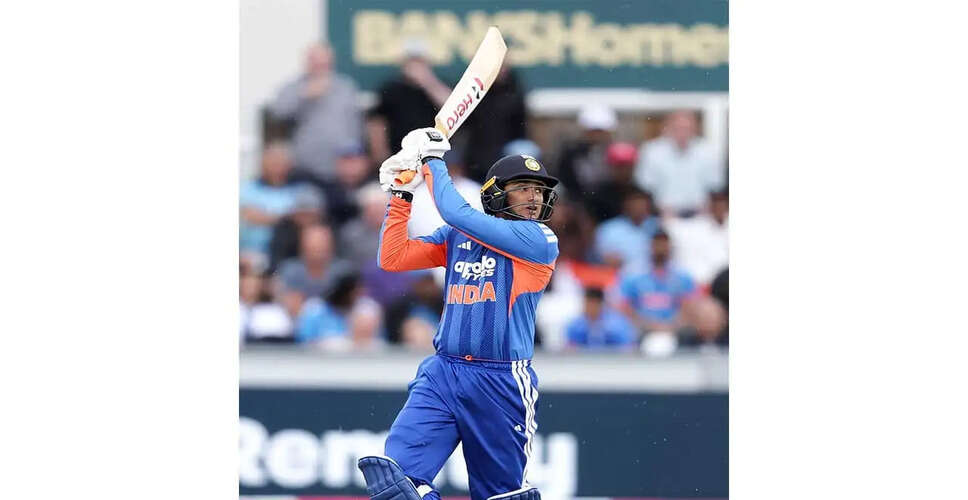

Court Evaluates Personality Rights
On Tuesday, the Delhi High Court delved into the complexities surrounding personality rights during a hearing related to a lawsuit filed by Indian cricketer Abhishek Sharma. He is seeking legal protection against the unauthorized use of his name, image, and likeness on various online platforms, including content generated by artificial intelligence.
Examination of Alleged Infringements
Justice Jyoti Singh presided over the case, reviewing multiple web links that Sharma identified as potentially infringing on his personality rights. The Court made noteworthy comments regarding the evolving relationship between personality rights and defamation in today's digital landscape. Advocate Varun Pathak, representing Meta, informed the Court that two out of eight URLs under scrutiny were no longer active. He argued that one of the remaining links resembled a 'paparazzi-style' post, which he believed did not constitute a breach of personality rights. However, Sharma's legal counsel contested this claim, asserting that the content in question was not a typical paparazzi image. They argued that an original photo of Sharma with his manager had been altered using AI, resulting in a misleading representation.
Defining the Boundaries of Rights
The Court noted that cases involving online content often blur the lines between defamation and personality rights. Justice Singh remarked, "There is a thin line between defamation and personality rights, and it is currently in a state of flux." Pathak countered that negative statements about an individual typically fall under defamation or privacy, rather than personality rights. He cautioned that broadening personality rights claims to encompass all negative online content could pose challenges for intermediaries. Initially, Sharma had presented around 25 URLs to the Court, but this number later surged to approximately 4,000, complicating compliance for platforms.
Rising Cases of Personality Rights
This lawsuit is part of a growing trend in the Delhi High Court, where numerous celebrities are seeking legal recourse against unauthorized commercial exploitation or manipulation of their identities on digital platforms. The rise of AI technologies capable of creating or altering realistic images and videos has led public figures to pursue legal protection against deepfakes and other unauthorized uses of their likenesses. The Court has acknowledged in recent rulings that personality rights may warrant protection against misuse, especially when AI-generated content falsely links individuals to events or products, while also considering how these claims intersect with established principles of defamation, privacy, and freedom of expression.