
Delhi High Court Rejects Kejriwal's Request for Judge Recusal in Excise Policy Case
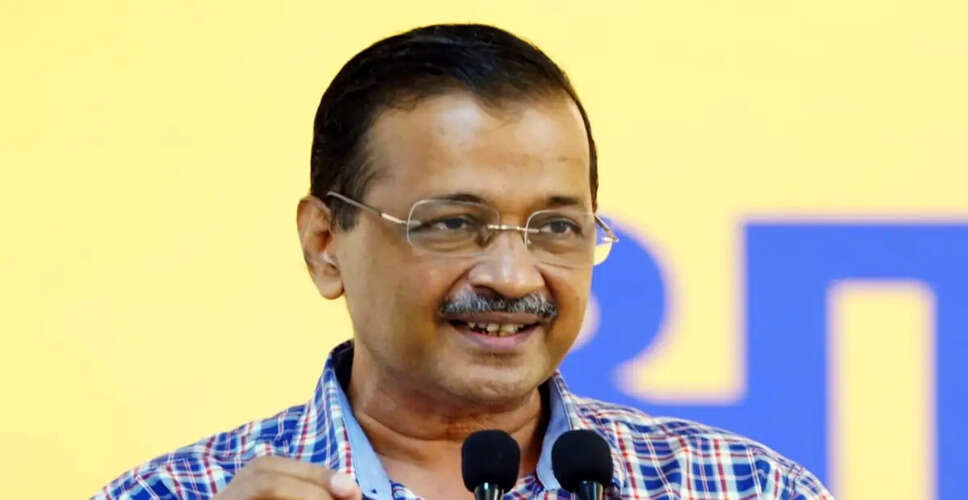

Court Dismisses Recusal Plea
Justice Swarna Kanta Sharma of the Delhi High Court has outrightly rejected a petition from Chief Minister Arvind Kejriwal and other defendants, which sought her recusal from the hearing of the Delhi excise policy case. The court emphasized that questioning the impartiality of the judiciary requires substantial evidence, rather than mere unfounded fears.
In her dismissal of the plea, Justice Sharma pointed out that the claims made lacked any supporting evidence and were solely based on allegations that cast doubt on their credibility.
Judge Describes the Situation as 'Catch-22'
While delivering the order, Justice Sharma characterized the situation as a challenging one for the court. She noted that the request for recusal places her in a 'Catch-22' scenario, where whether she recuses herself or not, questions will inevitably arise. The petitioner (Kejriwal) has created a situation that benefits him regardless of the outcome.
Court Asserts No Evidence of Bias
The court clarified that allegations of bias must be supported by concrete evidence; mere suspicion is insufficient. A litigant's general unease or fear that the court may not grant relief falls far short of the high standard required for a judge to recuse themselves. Justice Sharma stressed that decisions should not be influenced by personal beliefs or assumptions but must be grounded in law and facts.
Firm Response to Family-Related Allegations
A significant issue raised in the petition concerned the professional roles of the judge's children. The court firmly responded that there is no connection between her family members and the case at hand.
The court stated, "If a politician's spouse can become a politician, and their children can also enter politics, then how can it be said that a judge's children cannot pursue a career in law? To suggest otherwise would mean stripping judges' families of their fundamental rights." The court further asserted that no litigant has the right to question how a judge manages their family life.
Warning Against Unfounded Attacks on Judiciary
The court issued a warning against making baseless claims that could harm the judiciary. Justice Sharma cautioned against making such allegations without investigation, stating, "If there is no evidence that a judge's children have misused their position, then even whispering such accusations is unacceptable."
She emphasized that even if family members are part of a government legal panel, it does not automatically create a conflict unless there is a direct connection to the case. The court clarified that lawyers may represent political parties, but decisions are made solely based on the merits of the case.
Message on Judicial Independence
In a strong message, the court stated that approving such petitions without evidence could undermine the justice system. "No judge can retreat from their judicial duties based solely on a litigant's thoughts or perceptions," the court declared.
Justice Sharma also warned that accepting such petitions could set a dangerous precedent, potentially weakening the court against external pressures.