
Delhi High Court Overturns Outsourcing Process for Indian Missions Abroad

Court Ruling on Outsourcing Services
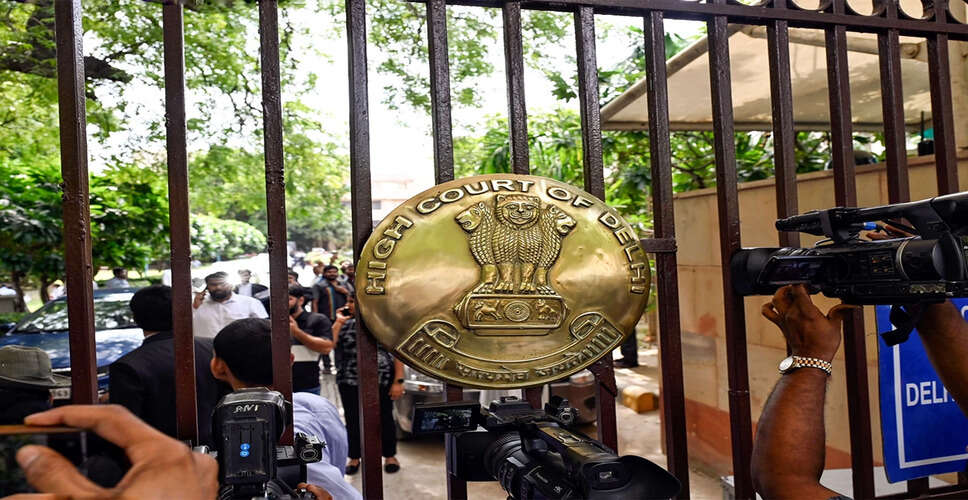
The Delhi High Court has annulled the technical evaluation process initiated by the Ministry of External Affairs (MEA) for outsourcing consular, passport, and visa services at Indian missions in Abu Dhabi (UAE), Kuwait, Singapore, and Canberra (Australia). The court criticized the evaluation process for its arbitrary nature, lack of logic, and transparency. It instructed the central government to issue new Requests for Proposals (RFPs) for all four missions within a month and to make earnest efforts to expedite the tender process. The division bench, comprising Justice Anil Khetarpal and Justice Shail Jain, approved petitions from 'E Trav Tech Limited' and 'Verasis Limited', which challenged their disqualification during the tender process.
Cancellation of Tender Allocations
The court also invalidated the allocation of tenders to successful private bidders. However, to ensure the continuity of public services, it permitted existing service providers to continue operations until the new tender process is completed and new L-1 bidders are selected in accordance with the law. The bench acknowledged that the petitioners had established a case for intervention, noting that the scores assigned during the technical evaluation were arbitrary, illogical, and lacked transparency, rendering the evaluation invalid under Article 14 of the Constitution.
Violation of Financial Rules
The court further stated that the MEA and the relevant Indian missions failed to document and communicate the reasons for the disqualification of bidders, violating the General Financial Rules of 2017, specifically Rules 173(iv) and 189, along with the provisions of the tender request.
Concerns Over Evaluation Process
It was highlighted that revealing scores based solely on criteria without clarifying the basis for deductions or comparative evaluations rendered the decision-making process opaque and arbitrary, contradicting the principles of natural justice and fair administrative action. The bench found that although the respondents later provided details of the scores as per Supreme Court directives, they did not disclose the reasons for those scores or the comparative standards used during the evaluation. Consequently, the petitioners had no means to understand why their compliant proposals were rated lower.
Inconsistencies in Proposal Evaluations
The court identified discrepancies in the evaluation of similar proposals across various missions. It noted that identical documentary submissions from the petitioners received significantly different scores under the same criteria without any explanation. The court also pointed out instances where bidders received zero scores despite meeting the standards outlined in the tender requests, regardless of the appointment duration and process timelines. Dismissing the central government's initial objection that the petitions were barred under the principle of pre-judgment, the bench concluded that the current challenge arose from new grounds following the disclosure of scores in May 2026.
Judicial Review in Tender Cases
The court emphasized that judicial review in tender matters involves examining whether the decision-making process is fair, transparent, and free from arbitrariness, although it typically does not appeal the merits of technical evaluations. It stated that the absence of objective standards, comparative criteria, and documented reasons undermines the constitutional guarantee of equal opportunity in public procurement.