
Delhi High Court Orders Review of 'Udaipur Files' Film Amid Controversy
The Delhi High Court has mandated a review of the film 'Udaipur Files,' associated with the murder of tailor Kanhaiya Lal. The court raised critical questions regarding the government's authority to enforce edits and cuts, emphasizing the need for compliance with legal standards. This decision follows the government's intent to retract a previous order that permitted the film's release with specific modifications. The court's examination focused on the limitations of the government's powers under the Cinematograph Act, ensuring that any actions taken remain within legal boundaries. This case highlights the ongoing tension between artistic expression and regulatory oversight in India's film industry.
| Aug 1, 2025, 19:22 IST
Court Directs Government to Reassess Film
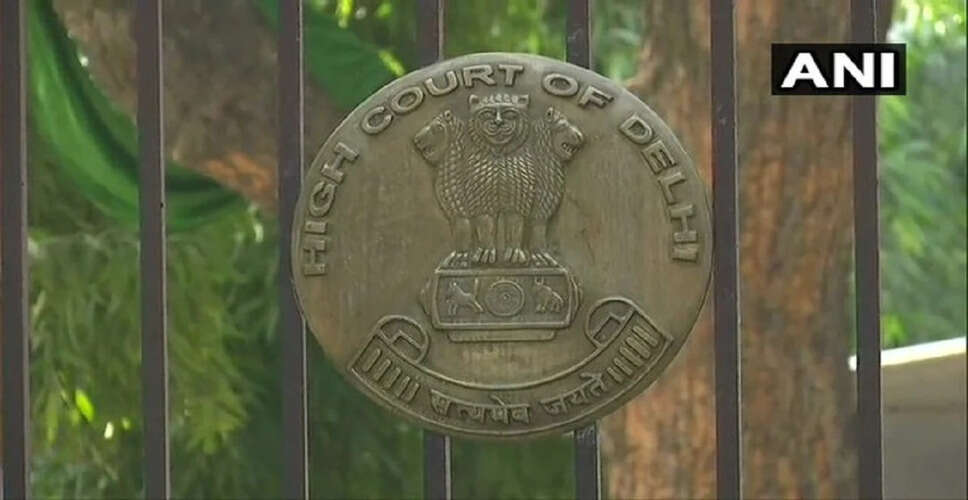
The Delhi High Court issued a directive on Friday for the central government to reevaluate the film "Udaipur Files," which is linked to the 2022 murder of tailor Kanhaiya Lal. The court raised concerns about whether the government could mandate edits and cuts under its review authority. It instructed that the reassessment be completed by August 6, emphasizing adherence to existing legal standards. This ruling followed the government's announcement that it would retract a previous order allowing the film's release with specific cuts.
Government's Position on the Film
During the court proceedings, the additional solicitor general (ASG) representing the government stated that they were withdrawing the order due to questions raised about its format. The ASG mentioned that the government would reconsider the matter and make an appropriate decision. The court had previously questioned the basis of the government's authority to recommend cuts, asking, "What gives you the right to say we suggested cuts? Where does your authority to recommend amendments come from?"
Legal Examination of Government's Authority
The court scrutinized the central government's jurisdiction under the Cinematograph Act and concluded that it could only issue general principles under Section 5(2) of the Act or declare a film ineligible for certification. The limitations of the government's authority were central to the court's examination, emphasizing that any actions must remain within the scope of the Act.