
Delhi High Court Dismisses PIL Challenging Mosque Listings in Jahangirpuri
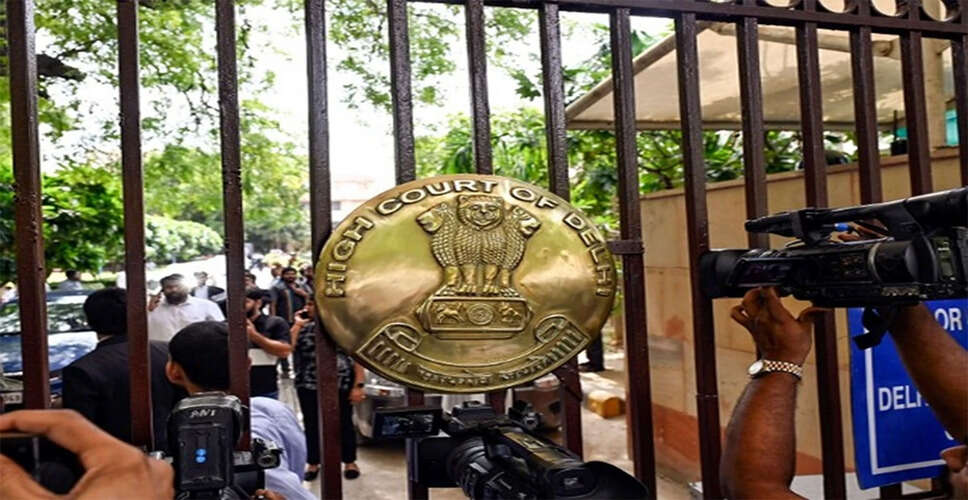
Court Rejects Public Interest Litigation
The Delhi High Court has dismissed a Public Interest Litigation (PIL) that contested a notification from 1980, which designated certain mosques in Jahangirpuri as Waqf properties. The court emphasized that it cannot allow the reopening of old disputes based on trivial reasons or misuse the jurisdiction of PILs.
Led by Chief Justice Devendra Kumar Upadhyay, the division bench found no merit in the petition filed by the Save India Foundation, suggesting it was an attempt to unnecessarily revive settled issues nearly 46 years later.
Maintaining the Integrity of PILs
The court stressed the importance of preserving the sanctity and purpose of Public Interest Litigations, asserting that petitions filed with ulterior motives should not undermine this integrity. The petitioner had challenged a notification issued by the Delhi Waqf Board in April 1980 under the Muslim Waqf Act, 1954, which listed three mosques in Jahangirpuri—locally known as Jama Masjid, Moti Masjid, and Masjid Jahangirpuri—as Sunni Waqf properties.
Legal Process Followed for Listings
The court noted that the listings were prepared through a legal process, which included an investigation by the Waqf Commissioner and a review of the report submitted by the government. The Waqf Board argued that the challenge was not maintainable since the notification was issued almost five decades ago, and the Act provided a specific system for contesting Waqf listings, with any disputes needing to be raised in civil court within a year.
Finality of Waqf Listings
The bench agreed, highlighting that if challenges are not made within the stipulated time, the legal framework finalizes the Waqf listings. The petitioner claimed that the government acquired land for planned development in 1977, which was later transferred to the Delhi Development Authority for the development of Jahangirpuri, arguing that these structures were illegal encroachments. However, the court reportedly found no material or evidence to substantiate the claim that the land in question was the same on which the mosques stand.