
Delhi High Court Acquits Former Officer in 33-Year-Old Bribery Case
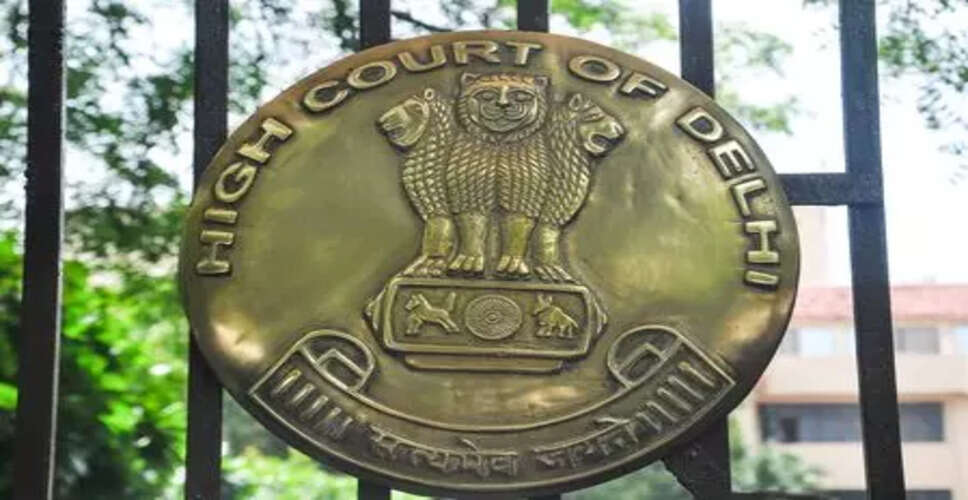
High Court Ruling on Long-Standing Bribery Case
New Delhi, January 9: The Delhi High Court has overturned the conviction of a former Section Officer from the Directorate General of Audit in a bribery case that dates back 33 years. The court found that the prosecution did not establish the crucial element of 'demand' for illicit payment as required by the Prevention of Corruption Act.
In a ruling by Justice Manoj Kumar Ohri, the court allowed the criminal appeal and annulled the sentence imposed by a special court in 2002, stating that the case had been undermined by numerous flaws and that the accused deserved the benefit of the doubt.
The individual, Tej Narain Sharma, had been found guilty in November 2002 under Sections 7 and 13(1)(d) in conjunction with Section 13(2) of the Prevention of Corruption Act, 1988, and was sentenced to two years of rigorous imprisonment along with a fine of Rs 15,000.
However, the Delhi High Court had previously suspended his sentence in December 2002. The Anti-Corruption Branch had filed an FIR related to a 1992 sting operation based on a complaint alleging a demand for a bribe of Rs 20,000 during an excise audit of a private company.
Although incriminating currency notes were found during the raid, the court ruled that mere recovery of such notes was insufficient for a conviction. Justice Ohri emphasized that proof of demand is essential for a conviction under the relevant sections of the PC Act.
The court pointed out that from the outset, the prosecution maintained that the initial bribe demand was made by Audit Officer R.N. Arora, not by Sharma. The judgment raised a critical question: if Arora made the initial demand, why were no charges brought against him? Instead, he appeared as a defense witness, and no inquiries were made regarding his alleged demand.
Justice Ohri criticized the prosecution's sanction for being 'mechanical' and lacking thoughtful consideration, noting that it incorrectly attributed the bribe demand to Sharma, contrary to the prosecution's own assertions.
Highlighting various inconsistencies, the court concluded that the prosecution's case was riddled with issues that rendered the conviction untenable.
Ultimately, the Delhi High Court acquitted Sharma of all charges, revoked his bail bonds, and released the sureties, instructing that a copy of the judgment be sent to the trial court and the relevant jail superintendent.