
Delhi HC Judge Stands Firm: BJP MP Bansuri Swaraj Defends Judicial Independence Against AAP's Pressure Tactics
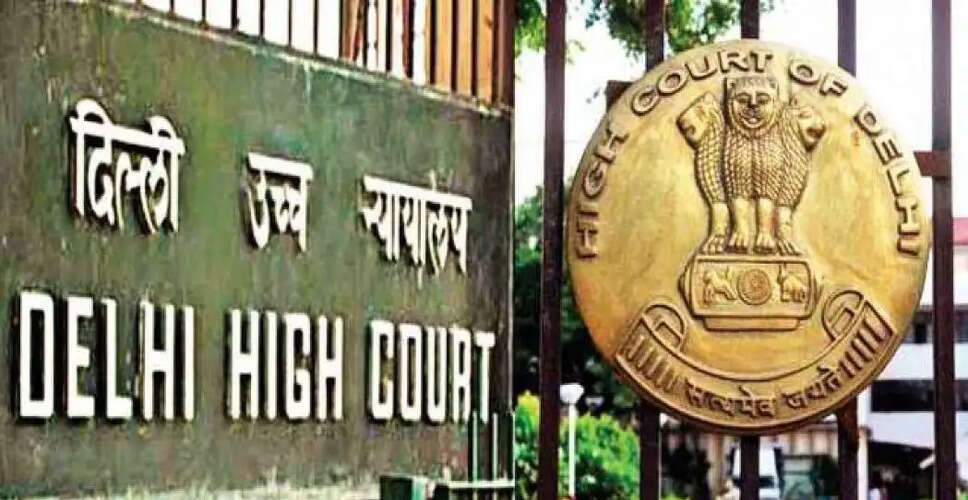

BJP MP Bansuri Swaraj Supports Delhi HC Judge
New Delhi: On Tuesday, BJP Member of Parliament Bansuri Swaraj praised the decision of Delhi High Court judge Swarna Kanta Sharma to remain on the bench for the liquor policy case involving former Chief Minister Arvind Kejriwal and others.
During a press briefing, Swaraj emphasized that the court's ruling underscores the importance of judicial independence and counters the Aam Aadmi Party's (AAP) efforts to exert pressure on the judiciary.
She accused Kejriwal of attempting to intimidate a female judge, asserting that the issue was not merely about changing judges but rather about AAP's desire to control the narrative.
Swaraj criticized the attacks and accusations directed at the judge, which she claimed were aimed at coercing her into stepping down from the case.
She warned Kejriwal and AAP that history shows that those who disrespect women in this country ultimately face severe consequences.
Swaraj stated, "The bullying and fear tactics you are employing will provoke the ire of women across the nation."
Additionally, she labeled AAP as anti-women, pointing out their opposition to the Women's Reservation Amendment (Nari Shakti Vandan Adhiniyam), which aims to secure 33% reservation for women in state assemblies and Parliament starting in 2029.
These comments followed Justice Sharma's decision to deny AAP's request for her recusal from the liquor policy case, where she firmly rejected the pleas from Kejriwal and others.
In her lengthy statement, Justice Sharma asserted that a litigant cannot judge a judge without substantial evidence and that judges should not recuse themselves based on unfounded fears of bias.
She further noted that a political figure should not be allowed to undermine an institution without justification, emphasizing that personal attacks on judges equate to attacks on the judiciary itself.
Kejriwal had raised multiple objections regarding Justice Sharma's involvement in the case, citing her previous denials of relief on his petitions and those of other accused individuals, including Manish Sisodia and K Kavitha.