
Delhi Government Unveils Comprehensive Plan to Tackle Pollution and Promote Electric Vehicles
New Policy to Combat Pollution in Delhi
The Delhi government has announced a new initiative aimed at reducing emissions and addressing the escalating pollution levels in the city. Starting November 1, only BS6 and CNG commercial vehicles will be permitted to operate within Delhi. Additionally, as part of its newly introduced Air Pollution Mitigation Program, the government plans to deploy 2,299 electric autos at major Delhi Metro stations. This initiative was launched by Chief Minister Rekha Gupta on Tuesday, emphasizing the role of electric autos in promoting sustainable transportation and combating air pollution.
Expansion of Electric Vehicle Infrastructure
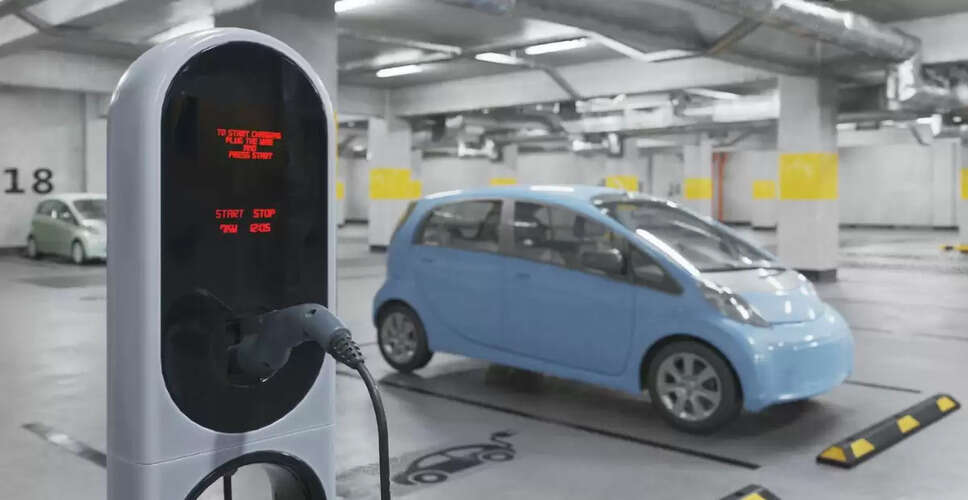
To facilitate this transition, the government has committed to installing 18,000 public EV charging stations throughout the city. These charging points will be strategically located at malls, airports, railway stations, bus terminals, and commercial areas managed by both municipal and private entities. An audit of the current EV infrastructure will also be conducted, with plans for upgrades and expansions in the near future.
Transitioning Government Fleets to Electric
In a bid to enhance environmental sustainability, the government will convert its entire fleet to clean fuel, specifically flex fuel. There will be a concerted effort to increase the adoption of electric vehicles among both private and commercial sectors, with plans to phase out non-electric vehicles from government operations.
Dust Control Measures
In addition to promoting electric vehicles, the government has outlined extensive plans to plant 7 million saplings under the 'Ek Ped Maa ke Naam' initiative. The city will also deploy 1,000 water sprinklers, 140 anti-smog guns, and mist sprayers at 19 pollution hotspots. These efforts will be supported by 200 mechanized road sweepers, 70 electric litter pickers, and 38 water tankers. Buildings exceeding 3,000 square meters will be required to install rooftop anti-smog guns, operational year-round except during the monsoon season.
Innovative Solutions: Cloud Seeding
Delhi plans to explore cloud seeding technology in partnership with IIT Kanpur to mitigate airborne dust pollution. The government is also focused on reducing solid waste pollution, with deadlines set for eliminating waste landfills. The Okhla Waste to Energy plant will be upgraded to a capacity of 2,950 tons per day, and a new facility with a capacity of 3,000 tons per day will be established at Narela Bawana. To improve air quality monitoring, specialized stations will be set up, and an E-Waste Eco-Park will be developed to manage electronic waste sustainably.