
Delhi Faces Severe Air Quality Crisis as AQI Surpasses 400
Delhi's Air Quality Reaches Alarming Levels
The capital city of Delhi is once again grappling with hazardous air quality. The Air Quality Index (AQI) has soared past 400 at 27 monitoring stations, with several areas experiencing extremely critical conditions. Regions such as Anand Vihar, Nehru Nagar, Okhla, Mundka, and Siri Fort are making it difficult for residents to breathe. A combination of dense fog, stagnant air, and dropping temperatures is exacerbating the pollution crisis.
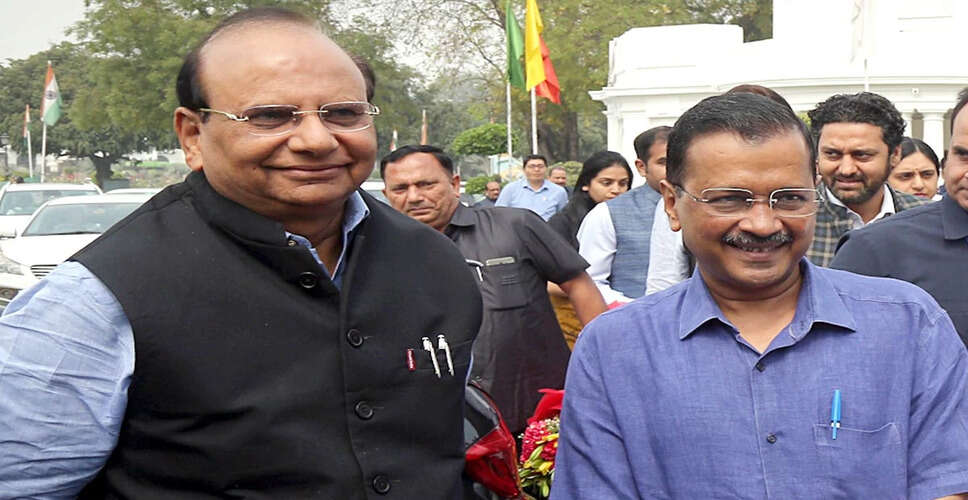
In the midst of this situation, Lieutenant Governor V.K. Saxena has addressed a lengthy 15-page letter to former Chief Minister Arvind Kejriwal, holding his administration accountable for the toxic air plaguing the capital. The letter accuses the government of 11 years of neglect and criminal inaction, which has led Delhi to this emergency state. This correspondence comes at a time when the Bharatiya Janata Party is now in power, with Chief Minister Rekha Gupta at the helm.
Political Accountability and the Need for Action
Given the current state of Delhi's air quality, there is no room left for excuses. The exchange of letters between the Lieutenant Governor and Kejriwal is not merely a political jab; it reflects a harsh reality that all in power must acknowledge. The debate over 11 years versus 11 months will not restore the public's ability to breathe. The pressing question remains: who will take responsibility and when?
During its tenure, the Kejriwal government promised aggressive measures against pollution but has failed to deliver. The Lieutenant Governor's letter serves as a reminder that institutional failure is not a one-day story; it is the result of years of negligence. Factors such as construction dust, burning waste, dilapidated public transport, industrial emissions, and lack of regional coordination have collectively turned Delhi into a gas chamber.
Urgent Need for Long-Term Solutions
The assertive tone of the letter is significant as it attempts to establish accountability. However, merely blaming past administrations cannot absolve the current government of its responsibilities. The new administration has inherited a crisis, but the time for procrastination has passed. Delhi requires long-term solutions.
The letter from the Lieutenant Governor is a moment for introspection for Kejriwal and a test for the new government. The quicker the political dust settles, the sooner residents can breathe easier. Otherwise, letters will continue to be written while the city struggles with air quality issues.
Government's Response to the Crisis
On the other hand, Delhi's Environment Minister Manjinder Singh Sirsa has stated that despite the relaxation in the fourth phase of the Graded Response Action Plan (GRAP), the 'No PUC, No Fuel' policy will remain in effect. He mentioned that deficiencies were found in the inspections of PUC centers, leading to the suspension of 12 centers, and that ₹100 crores have been allocated for the rejuvenation of water bodies.