
Delhi Emerges as World's Most Polluted City, Surpassing Lahore
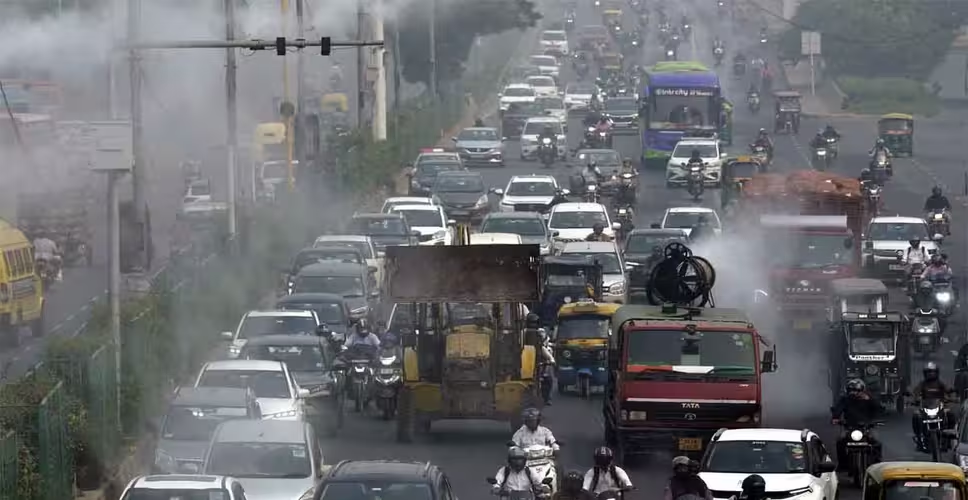

Severe Air Pollution in Delhi
Delhi: The capital city of India is grappling with alarming levels of air pollution, raising concerns among its residents. Toxic air and dense smog have led to a dire situation, with Delhi now being recognized as the most polluted major city globally, overtaking Lahore, Pakistan. According to data from the Swiss air quality monitoring organization IQAir, the Air Quality Index (AQI) in Delhi reached a hazardous level of 334 on November 13.
Furthermore, the Central Pollution Control Board (CPCB) of India reported that the AQI soared to 403 on the same day, categorizing it as severe. The escalating pollution levels have resulted in a thick layer of fog enveloping the capital, significantly affecting visibility in various areas.
Delhi Tops Global Pollution Rankings
In the global pollution rankings released by IQAir on November 13, Delhi claimed the top spot, surpassing Lahore, which recorded an AQI of 309. Previously, Lahore had consistently held the position of the world's most polluted major city for several days, but the rapid increase in pollution levels in Delhi has propelled it to the forefront.
Critical AQI Levels in Delhi
According to CPCB data, the average AQI in Delhi reached a staggering 403 on November 13, indicating a severe pollution crisis. Certain areas in the capital reported even higher levels, with the IIT region recording an AQI of 452, while North Campus and Narela reported 446 and 437, respectively. Areas like ITO and Punjabi Bagh also experienced critically poor air quality.
Causes of Rising Pollution
Several factors contribute to the increasing pollution in Delhi, including emissions from vehicles, dust from construction activities, industrial discharges, and smoke from stubble burning. During winter, cold and heavy air traps pollutants close to the ground, leading to stagnant air and exacerbating smog conditions.
Improvement in Air Quality on November 16
Recent reports indicate a slight improvement in Delhi's air quality on November 16. At 7:05 AM, the average AQI was recorded at 216, which still falls under the poor category. However, areas like Sirifort and NSIT Dwarka reported AQIs of 346 and 330, respectively, indicating that pollution levels remain concerning in many regions.
Health Concerns for Vulnerable Groups
The adverse effects of pollution are particularly pronounced for children, the elderly, and individuals with respiratory issues. The fine particulate matter (PM2.5) present in the air can penetrate the lungs when inhaled. Health professionals advise avoiding outdoor activities during high pollution periods, refraining from exercising outdoors, and using high-quality masks when necessary.
Future Relief from Toxic Air
Relief from pollution in Delhi largely depends on weather conditions. Strong winds and rainfall can help disperse or reduce pollutants. However, for lasting improvement, it is essential to control emissions from vehicles, industries, construction activities, and stubble burning. While there has been some improvement in air quality, pollution remains a significant concern in various parts of the capital.