
Delhi Court Orders Removal of Defamatory Content Against Businessman

Court Ruling on Defamatory Material
A court in Delhi has mandated Google LLC and other digital platforms to eliminate and restrict access to allegedly defamatory content related to businessman Manoj Kesrichand Sandesara and his family. The court emphasized that the ongoing dissemination of such material could inflict irreparable harm to their reputation. This ruling follows a prolonged legal dispute linked to the Sterling Biotech group and reflects the court's effort to balance press freedom, the right to be forgotten, and reputation management.
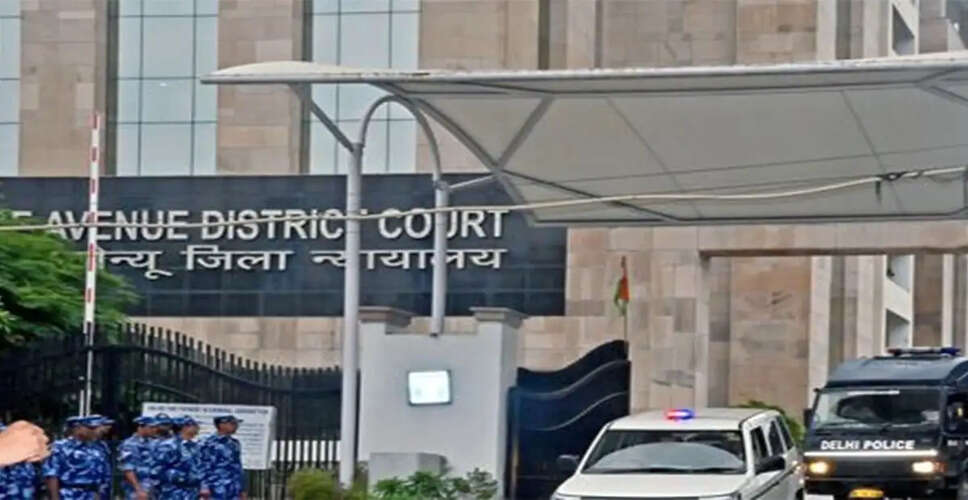
Senior Civil Judge Richa Sharma of the Tis Hazari Court instructed Google and Meta to de-index, de-list, or de-reference specific URLs that connect the plaintiffs and their family to the Sterling Biotech bank fraud case.
Interim Injunction Issued
The court, presided over by Judge Richa Sharma, issued a unilateral interim injunction preventing the defendants from publishing, republishing, or broadcasting any material linking the plaintiffs or their family to the Sterling Biotech bank fraud case. Additionally, it ordered the de-indexing, de-listing, and de-referencing of all relevant URLs and articles within 36 hours, including those not specifically mentioned in the lawsuit.
The court also issued notices to the defendants regarding the summons and injunction application related to the case, requiring a response by April 20, 2026, while directing the plaintiffs to take necessary actions within a week.
Claims of Defamation
The lawsuit was filed by Manoj Kesrichand Sandesara, seeking damages and removal of allegedly false, defamatory, and misleading content published by various media outlets and hosted or indexed on digital platforms like Google.
The plaintiffs asserted that such content falsely portrayed them and their family as fugitives involved in bank fraud and money laundering, causing significant damage to their reputation and business interests.
Legal Representation and Arguments
Advocate Hemant Shah, representing the plaintiffs, sought immediate unilateral relief and successfully obtained interim protection from the court. He argued that despite previous Supreme Court orders to halt proceedings and resolve lawsuits, misleading information continued to circulate in media reports.
The plaintiffs also invoked the right to be forgotten, stating that the ongoing online availability of such content was causing continuous harm. After considering the arguments and reviewing the records, the court found a prima facie case, balancing the convenience and the likelihood of irreparable harm in favor of the plaintiffs.