
Delhi Court Denies Interim Bail to Former Councillor Tahir Hussain Amid Medical Concerns
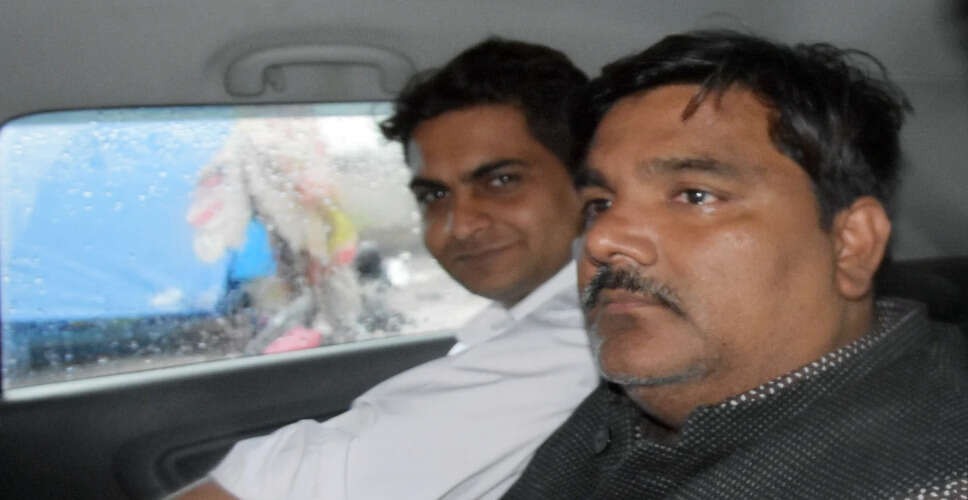
Court Ruling on Tahir Hussain's Bail Request
A Delhi court has rejected the interim bail plea of former councillor Tahir Hussain in connection with the 2020 Delhi riots. However, the court instructed authorities to ensure that he undergoes surgery within the next 15 days. The hearing was presided over by Additional Sessions Judge Parveen Singh, who considered Hussain's request for a month-long interim bail due to medical reasons. The court's order stipulated that the application would be processed on the condition that the necessary surgery is performed within 15 days, barring any medical complications that might delay the procedure.
Background of the Case
Hussain has been in judicial custody since April 6, 2020, and sought bail from March 20 to April 20, citing the need for surgery related to an inguinal hernia, which requires post-operative care. The judge noted that all necessary post-operative care would be provided to the applicant in both the hospital and jail, as per the doctor's recommendations. While the procedure is elective, the court emphasized that the accused should not be deprived of timely medical treatment.
Arguments Presented in Court
The court acknowledged that the surgery is elective and can be chosen by the applicant based on his needs. Hussain's lawyer argued that delays in hospital visits and medical tests due to the system's overload have hindered timely treatment, requesting permission for surgery at his preferred hospital and by his chosen doctor. In contrast, the prosecution opposed this claim, stating that Hussain's condition is stable and not life-threatening, asserting that the surgery is not urgent. The court noted that medical reports classified the condition as a simple hernia, indicating that immediate intervention is not necessary.