
Delhi CM Criticizes Opposition for Blocking Women's Representation Bill

Opposition's Stance on Women's Representation Questioned
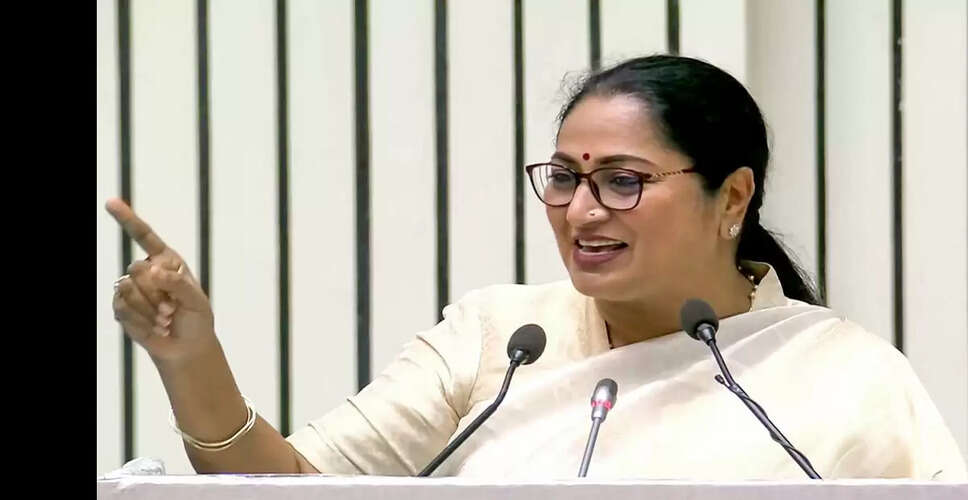
On Saturday, Delhi's Chief Minister Rekha Gupta targeted opposition parties following the failure to pass the Constitution (131st Amendment) Bill, 2026 in the Lok Sabha. She asserted that every woman in their constituencies would question the opposition's 'anti-women' stance.
In a post on the social media platform 'X', Gupta stated, 'The opposition has decided that they will not allow women to reach the Lok Sabha at any cost. The truth is that they only care about the women in their families, not the 700 million women in the country.'
She accused the opposition of wanting to politicize the issue. The Chief Minister emphasized, 'They do not want half of the country's population to reach Parliament. Every woman in their constituencies will question the opposition's anti-women stance.'
Gupta further noted, 'In 1971, the country's population was around 500 million, which has now surged to 1.4 billion. Accordingly, the number of seats should increase, but the opposition is concerned because they do not want to divide their existing seats or allow any woman to step forward.'
She added, 'When we compare India to larger nations, the opposition should also observe that women's representation there is nearly 50 percent, and in some countries, it exceeds that.'