
Delhi Chief Minister Discusses Long-Term Strategies to Combat Pollution
In a recent interview, Delhi Chief Minister Rekha Gupta addressed the pressing issues of air pollution and Yamuna River contamination, attributing them to years of neglect by previous administrations. She outlined her government's commitment to a long-term strategy that includes transitioning public transport to zero emissions and implementing comprehensive measures to tackle pollution. Gupta criticized past reliance on temporary solutions and emphasized the need for structural reforms. With plans to increase the number of electric buses and enhance last-mile connectivity, her administration aims to create a sustainable and effective public transport system. This article delves into the details of Gupta's vision for a cleaner Delhi.
| Feb 5, 2026, 19:34 IST
Addressing Pollution Challenges in Delhi
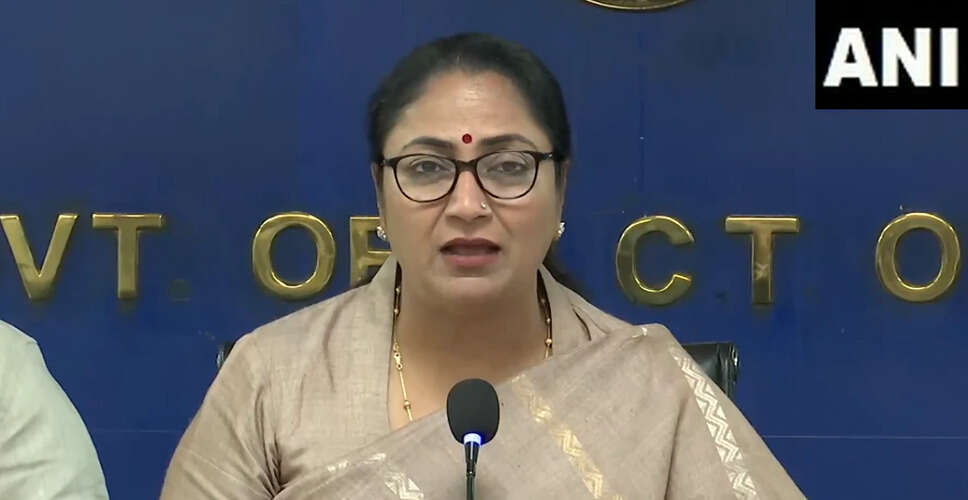
Rekha Gupta, the Chief Minister of Delhi, has stated that the issues of air pollution and the contamination of the Yamuna River are inherited problems stemming from years of neglect and short-term policies by the previous Aam Aadmi Party government. She emphasized that her administration is adopting a comprehensive, long-term strategy to tackle these challenges. In an exclusive interview, Gupta dismissed criticisms regarding measures like the GRAP, odd-even system, artificial rain, and pollution control devices, asserting that these were never intended as permanent solutions.
Critique of Previous Government's Approach
Gupta pointed out that pollution is a direct result of the negligence of past administrations. She argued that merely focusing on clean air will not yield results; a holistic approach addressing dust, air, and water is essential. Criticizing the Aam Aadmi Party, she noted that previous governments relied heavily on temporary relief measures and publicity rather than implementing structural reforms.
Need for Sustainable Solutions
She explained that tools like sprinklers and anti-smog guns provide only temporary relief. The real work should focus on dust control, public transportation, and long-term planning. Gupta identified the main contributors to Delhi's air pollution as vehicle emissions, road dust, and mismanagement of waste, which often leads to 'severe' pollution levels during winter months. While vehicle emissions are a significant factor, public transport has not been developed to the necessary extent.
Plans for Zero-Emission Public Transport
Gupta revealed that her government has devised a phased plan to transition Delhi's public transport system to zero emissions. She stated that upon taking office, the goal was to ensure that public transport is entirely electric and based on clean fuels. Currently, Delhi has around 3,600 buses, with an additional 1,700 added since her administration began. By December 2026, this number is expected to reach 7,700, with a target of 11,000 buses by 2028. Furthermore, funding has been approved for metro expansions, last-mile connectivity through electric vehicles, e-bikes, and bicycles, as well as strict actions against non-compliant and polluting vehicles. She concluded, “The government must implement comprehensive changes and work on every aspect.”