
Delay in Funeral of Iran's Supreme Leader Raises Global Speculations
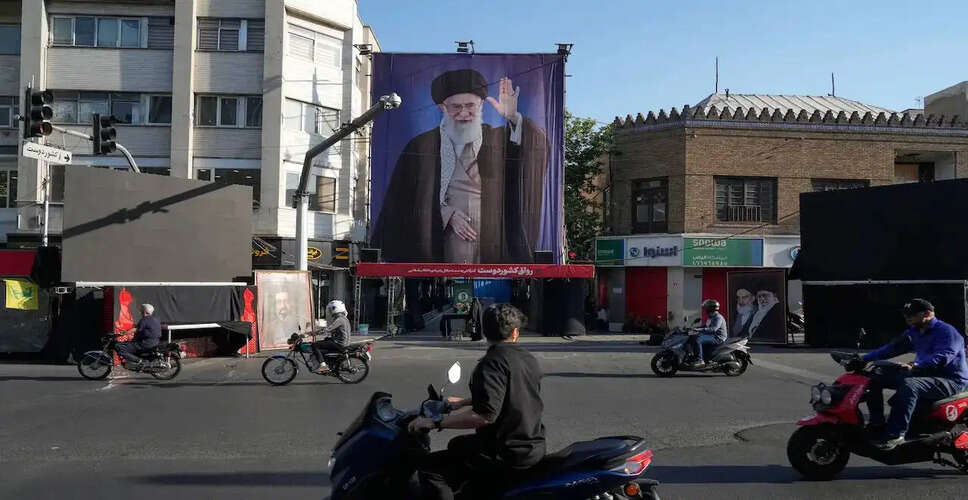

The Unburied Supreme Leader
Ayatollah Ali Khamenei, the Supreme Leader of Iran, was killed in a coordinated strike by the US and Israel on February 28, which ignited conflict in the Middle East and Gulf regions. Despite the passage of 100 days since his assassination, his funeral has yet to take place, leading to widespread speculation. Alongside Khamenei, numerous high-ranking Iranian military officials also lost their lives in the attacks, but they have already been interred. The absence of Khamenei's burial remains a point of contention.
Reasons Behind the Delay
Why Khamenei's Burial is Postponed
Officials in Tehran have indicated that they aim to conduct a grand funeral procession across several cities. However, the ongoing conflict poses significant risks to the safety of other leaders, complicating the organization of such an event. Although Shiite Islamic customs typically advocate for swift burials, exceptions can be made under certain circumstances.
Security Issues Surrounding Khamenei’s Successor
Concerns for Mojtaba Khamenei
Another factor contributing to the delay is the security of Mojtaba Khamenei, Ali Khamenei's son and designated successor, who is reportedly in critical condition. There are fears that his presence at a public funeral could jeopardize his safety. Since being named as the next supreme leader, Mojtaba has not made any public appearances, although Iranian authorities assert that he survived the attack. The postponement of Khamenei's funeral has sparked inquiries into Iran's internal governance and succession processes, drawing international attention to the stability of its leadership and potential ramifications for regional geopolitics.
Political Significance of Funerals in Iran
Funerals as Political Events
Historically, funerals for senior Iranian officials have been significant political occasions. For instance, the funeral of Qassem Soleimani, a former Revolutionary Guards Commander, evolved into a multi-day event that mobilized national sentiment across multiple cities in Iraq and Iran before his burial in Kerman. State media portrayed it as a demonstration of national unity. Current reports suggest that Iranian agencies desire a similarly grand funeral for Khamenei, but logistical and security issues are hindering the process.