
Indian Navy Enhances Defense with New GNSS Jammers


Indian Navy Secures Advanced GNSS Jammers
An Indian Navy vehicle equipped with Enhanced Capability GNSS Jammers. (Photo:X)
New Delhi, Jun 10: The Defence Ministry has finalized a contract worth Rs 449 crore for the acquisition of 20 advanced Global Navigation Satellite System (GNSS) jammers intended for the Indian Navy.
This agreement was made under the 'Buy (Indian-Indigenously Designed, Developed and Manufactured)' category, with Defence Secretary Rajesh Kumar Singh overseeing the signing in New Delhi.
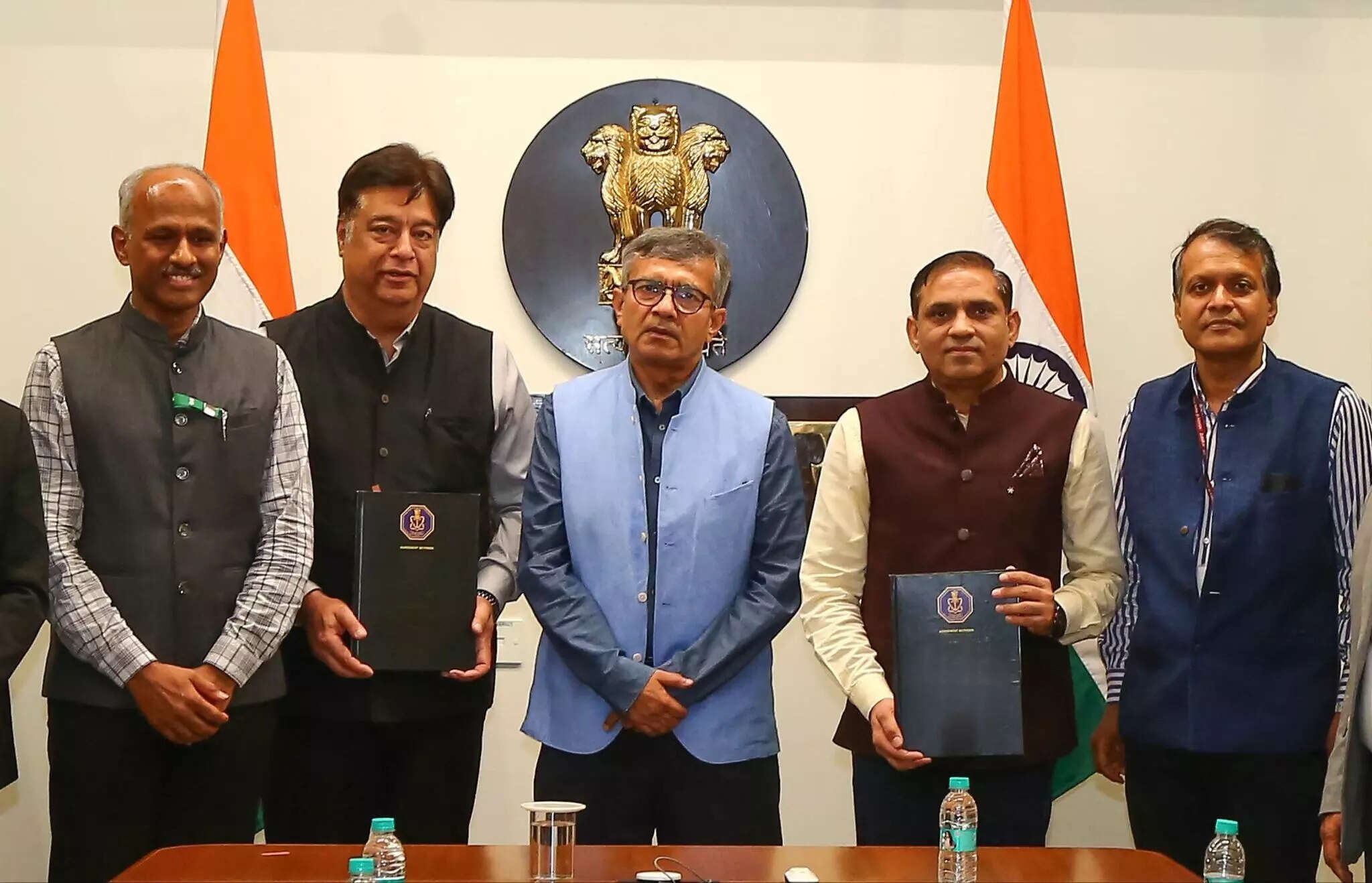
Officials during the signing of the MoU. (Photo:@airnewsalerts/X)
The jammers are designed to disrupt the satellite signal acquisition and tracking capabilities of enemy GNSS receivers, as well as to perform signal spoofing or deceptive jamming.
Integrating these jammers will enhance the operational safety of Navy vessels in complex threat environments.
The contract was awarded to Accord Software and Systems Private Limited (ASSPL) based in Bengaluru, ensuring at least 75% indigenous content in the jammers.
This initiative underscores the government's dedication to Aatmanirbhar Bharat and the Make-in-India campaign, while also strengthening the country's maritime security framework.
It represents a significant step forward in enhancing defense capabilities and localizing advanced military technologies.