
India Successfully Tests K-4 Ballistic Missile in Bay of Bengal
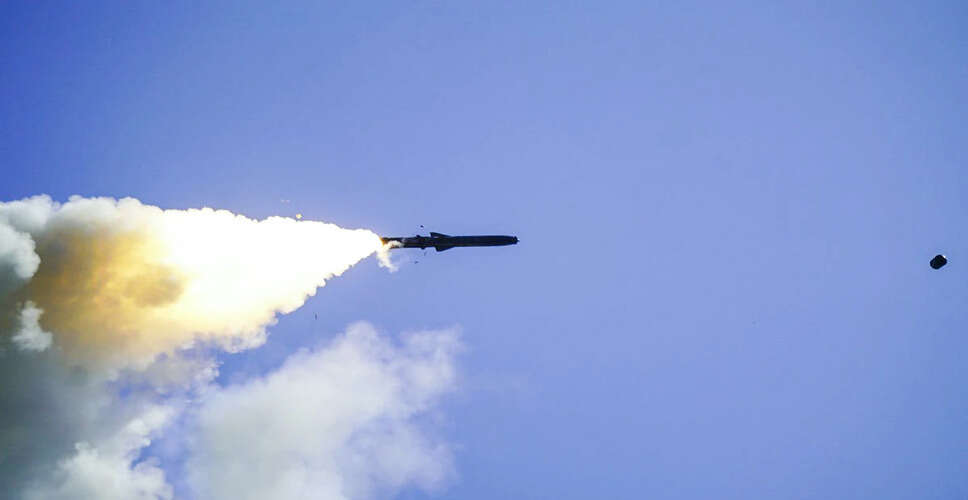
India Demonstrates Naval Military Strength
On Tuesday, India showcased its maritime military capabilities by successfully testing the K-4 intermediate-range ballistic missile in the Bay of Bengal. This test was conducted from the indigenous nuclear submarine INS Arighat, which is designed to create significant disruption in enemy territories.
What Makes the K-4 Missile Special?
The K-4 missile is capable of accurately striking targets located up to 3,500 kilometers away. Notably, it can carry a nuclear warhead weighing approximately 2.5 tons and has been specifically developed for launch from India's Arihant-class submarines.
Strengthening the Nuclear Triad
With the successful test of the K-4, India's nuclear triad—capable of delivering nuclear strikes from land, air, and sea—has become even more formidable. Submarines like the INS Arighat conduct 'deterrence patrols' while hidden in the depths of the ocean, providing India with unparalleled second-strike capability.
K-Series Named in Honor of Dr. Kalam
The K-series missiles are named in tribute to India's former President and 'Missile Man,' Dr. A.P.J. Abdul Kalam, who played a pivotal role in laying the foundation of India's missile program.
The Maritime Version of Agni-III
Technically, the K-4 has been developed based on the land-attack Agni-III missile. It has been specially modified for launch from beneath the ocean's surface, allowing it to activate its rocket motor as it emerges from the water.