
Debate on Ultra-Fast Delivery Resurfaces Amid Gig Workers' Strike
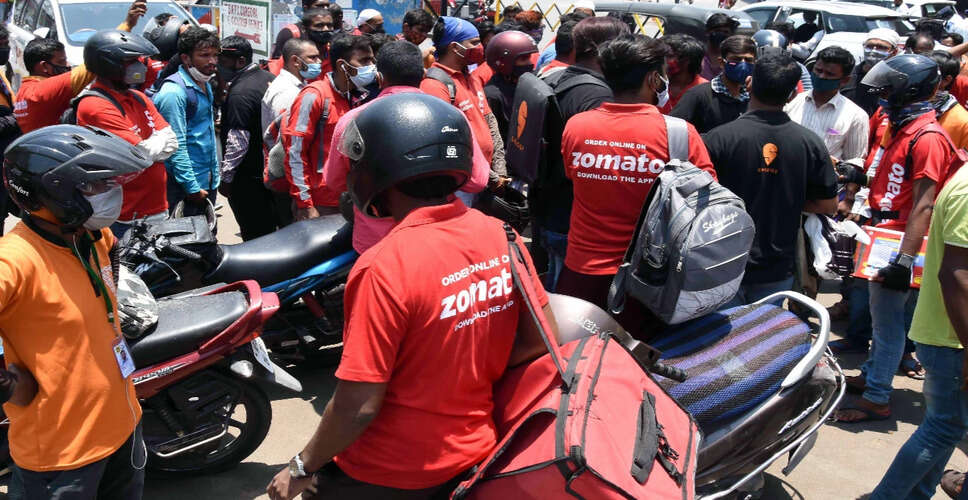
Introduction to the Gig Workers' Strike
On December 31, the announcement of a strike by gig worker unions reignited discussions surrounding ultra-fast delivery services. While platforms like Zomato and Blinkit were not significantly impacted on New Year's Eve, concerns about the pressure the 10-minute delivery model places on riders sparked conversations on social media.
Understanding the 10-Minute Delivery Model
In response to these concerns, Zomato's founder and CEO, Deepinder Goyal, took to social media to clarify how the promise of 10-minute delivery operates without compromising the safety of delivery partners. He emphasized that the speed of delivery is contingent on infrastructure rather than exerting pressure on riders. Goyal explained, "Our commitment to 10-minute delivery is feasible due to the density of stores around your homes, not by urging delivery partners to drive faster."
He further noted that delivery partners do not see the promised delivery time on their apps, stating, "There is no timer on the delivery partners' app indicating the time initially promised to the customer."
Goyal elaborated on the process, saying, "When you place an order on Blinkit, it is picked and packed within 2.5 minutes, and then the rider typically covers a distance of less than 2 kilometers in about 8 minutes, averaging 15 kilometers per hour."
He argued that assuming fast delivery inherently involves risky behavior overlooks the complexity of the system that enables such rapid service. "I understand why many think that delivering in 10 minutes is dangerous, as it is indeed challenging to envision the system's design complexity that makes quick delivery possible," he added.
Insurance and Support for Delivery Partners
Addressing concerns about the safety of employees, Goyal confirmed that all delivery partners are insured. In response to a user inquiring about healthcare support for riders, he stated, "Yes, everyone has medical and life insurance." He also addressed worries regarding penalties for delays, clarifying, "Nothing happens if they do not deliver on time. We understand that sometimes things go wrong."
Career Growth in Gig Work
When asked about long-term career growth in delivery jobs, Goyal remarked that gig work is not designed for permanent employment. He stated, "Advancing in a job without skills? This is not a permanent job for anyone."
He noted that most individuals engage in delivery work temporarily, saying, "Most people do this job for a few months each year before transitioning to more permanent employment."
Sharing data on attrition, Goyal mentioned, "The attrition rate over a year is 65%, indicating that this is indeed a gig and not a permanent job for anyone."
He also clarified hiring standards, stating that anyone with a valid driving license and a clear background check can work in the gig economy.
Response to Criticism of the Gig Economy
Goyal acknowledged that public perception of gig work is often negative. He expressed, "If I were outside the system, I would also believe that gig workers are being exploited, but that is not the case." He encouraged customers to engage directly with delivery partners to understand why many choose to work on the platform.
He added, "If you ever want to know why millions of Indians choose to work on the platform voluntarily, sometimes preferring it over regular jobs, just ask any rider partner when you place your next food or grocery order." Goyal also recognized that there is room for improvement, stating, "No system is perfect, and we are all working to make it better than today," while criticizing misinformation about gig work circulating on social media.
Conclusion
These comments came shortly after gig worker unions called for strikes on December 25 and 31, demanding better wages, social security, and safer working conditions. Although unions claimed a significant turnout, user experiences in cities indicated that platforms like Zomato and Blinkit were not heavily affected by the strike on New Year's Eve.
Nonetheless, discussions surrounding delivery timelines, worker safety, and platform accountability have intensified, with Goyal's remarks contributing to the ongoing debate, which is likely to continue even after the holiday season.