
Debate on POCSO Act: Balancing Child Protection and Adolescent Autonomy
The Supreme Court is currently deliberating on the POCSO Act, which sets the age of consent at 18. Senior advocate Indira Jaising argues that criminalizing consensual relationships between 16 to 18-year-olds infringes on their autonomy. The central government defends the age limit as essential for protecting children from exploitation. This debate raises critical questions about balancing child safety with the rights of adolescents, reflecting changing societal norms and legal boundaries. As the court navigates these complex issues, the outcome could significantly impact how relationships among young people are viewed legally.
| Jul 25, 2025, 13:13 IST
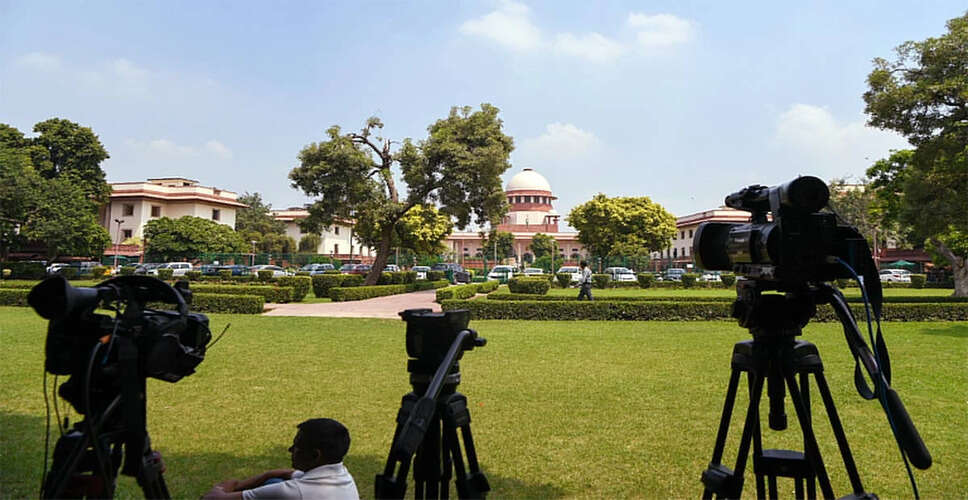
Supreme Court Engages in POCSO Act Discussion
In India, the POCSO Act of 2012, designed to protect children from sexual exploitation, sets the minimum age of consent for sexual relations at 18 years. However, this provision has sparked intense debate in the Supreme Court. Senior advocate Indira Jaising, acting as amicus curiae in the Nipun Saxena vs. Government of India case, argued that criminalizing consensual romantic or physical relationships between adolescents aged 16 to 18 is unconstitutional.
Meanwhile, the central government has formally stated in court that the age of consent cannot be lowered below 18, as this age is established to protect children from sexual exploitation, particularly by trusted individuals in their lives.
The government emphasized that the legal age of consent at 18 is determined with the physical and mental safety of children in mind. This framework serves as a robust legal shield against child sexual exploitation under the POCSO Act and the Indian Penal Code (IPC). Lowering the age of consent could provide a loophole for offenders who exploit the emotional dependence or silence of minors. Reports from the NCRB and various NGOs, such as Save the Children, indicate that over 50% of child sexual abuse occurs at the hands of familiar or trusted individuals, including family members, neighbors, and teachers. The government also acknowledged that the court could exercise judicial discretion on a case-by-case basis, especially in instances where adolescents are of similar ages and relationships are consensual.
Indira Jaising presented arguments in court stating that the current law criminalizes consensual relationships between adolescents aged 16 to 18. She contended that this disregards the autonomy, maturity, and decision-making capabilities of teenagers. Jaising pointed out that the age of consent was raised from 16 to 18 without public debate during the 2013 criminal law amendment, despite the Justice Verma Committee recommending that it remain at 16. She noted that physical relationships among teenagers are not uncommon, as evidenced by various statistics, including those from the National Family Health Survey (NFHS). Jaising highlighted that prosecutions under POCSO for the 16-18 age group surged by 180% between 2017 and 2021, with many cases filed by relatives opposing inter-caste or inter-religious relationships. She urged the court to exclude consensual relationships between 16-18-year-olds from POCSO or rape laws and to legally recognize a "close-in-age" exception.
The core issue in this debate is whether laws designed to protect children from sexual exploitation are now infringing upon the legitimate autonomy of adolescents. One side argues that lowering the age of consent would allow offenders to evade justice, while the other contends that criminalizing romantic relationships violates constitutional articles 14 (equality), 15 (prohibition of discrimination), 19 (freedom), and 21 (life and dignity).
Ultimately, there is no doubt that the POCSO Act aims to protect children from sexual exploitation rather than criminalize adolescent love. The court faces the challenge of maintaining this balance—protecting children while respecting the freedom and dignity of teenagers. This debate reflects a sensitive dialogue amid the evolving social structure of Indian society, the mindset of youth, and the limitations of the law.