
Dalai Lama Celebrates 91st Birthday: A Journey of Spiritual Leadership
The Dalai Lama marks his 91st birthday today, reflecting on over six decades of dedication to the Tibetan cause. Born in Qinghai, he became a pivotal figure in Tibetan politics and spirituality, especially after fleeing to India in 1959. This article delves into his early life, the circumstances leading to his exile, and his ongoing influence as a spiritual leader. Discover the remarkable journey of a man who continues to inspire millions around the world.
| Jul 6, 2026, 11:28 IST
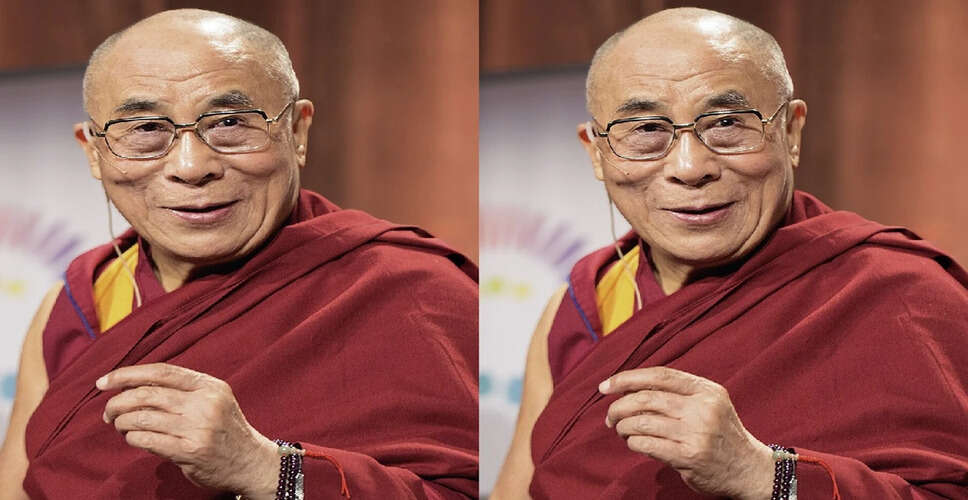

Celebrating a Milestone
The spiritual leader of Buddhism, the Dalai Lama, is celebrating his 91st birthday today, July 6. Although he refers to himself as a simple monk, he has dedicated over 60 years to advocating for the Tibetan people and their interests. His efforts have kept the plight of Tibetans in the global spotlight, with India serving as the base for his mission. On this special occasion, let's explore some fascinating aspects of the Dalai Lama's life.
Birth and Early Life
The 14th Dalai Lama, known as Lhamo Thondup, was born on July 6, 1935, into a farming family in the northwestern Chinese province of Qinghai. At just two years old, he was recognized by a search party as the 14th incarnation of Tibet's spiritual and temporal leader.
Exile from Tibet
In 1950, China occupied Tibet, referring to it as a 'peaceful liberation.' Shortly after, the young Dalai Lama began to take on a political role, even visiting Beijing to meet with Mao Zedong and other Chinese leaders. However, nine years later, fearing abduction, he faced a significant uprising in Tibet, which was met with severe repression by the Chinese military.
On March 10, 1959, the 23-year-old Dalai Lama received an invitation from a Chinese general to attend a dance performance, but without any bodyguards. This raised alarms among the Tibetan people about the potential kidnapping of their spiritual leader. Thousands gathered outside the palace to protest, fearing an imminent attack by the Chinese army.
India's Warm Welcome
That night, on March 17, 1959, the Dalai Lama disguised himself as a soldier and fled the palace with his family and several high-ranking officials. Prior to this, he had requested asylum from the Indian consulate in Lhasa, and India welcomed him with open arms, having always regarded Tibet as a free nation and maintaining strong commercial and cultural ties with it.
Initially, the border remained peaceful, but this changed in 1954 when India signed the Panchsheel Agreement with China, recognizing Tibet as part of China. India took measures to ensure the Dalai Lama's safety, and his entourage temporarily stayed at the Tawang Monastery in Arunachal Pradesh. After a meeting with Prime Minister Nehru, he was granted asylum on April 3, 1959.
As thousands of Tibetans fled from Chinese oppression, Dharamshala in Himachal Pradesh became a home for many, and the Dalai Lama eventually settled there, establishing the Tibetan government-in-exile. However, this bold move angered China.
Transitioning Leadership
In 2011, the Dalai Lama announced his decision to step back from political responsibilities, transferring authority to an elected leader of the Tibetan government-in-exile. Despite this, he remains an active figure in the global spiritual community.