
Cyclone 'Murasu' Hits Andhra Pradesh: Heavy Rain and Disruptions Reported
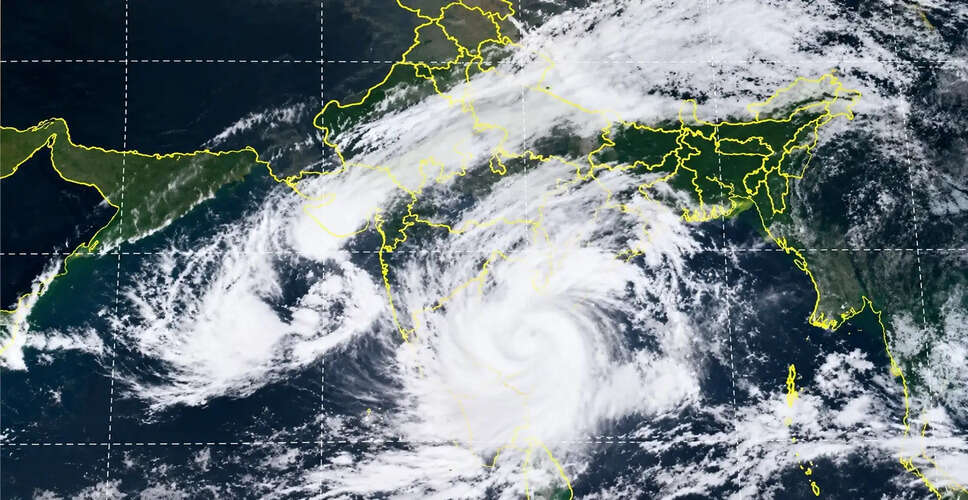

Cyclone 'Murasu' Makes Landfall
On Tuesday, November 3, Cyclone 'Murasu' struck the coast of Andhra Pradesh, originating from the Bay of Bengal. The storm has brought strong winds and heavy rainfall to coastal regions. According to meteorological reports, wind speeds reached between 100 to 110 kilometers per hour during landfall, with gusts peaking at 120 kilometers per hour. In anticipation of the cyclone's impact, local authorities had implemented extensive precautionary measures.
Impact on Coastal Areas
The cyclone crossed the coast near Ongole in Andhra Pradesh, causing heavy winds and rain in districts such as Prakasam, Nellore, and Guntur. Flooding on roads has disrupted traffic in several areas. The weather department has issued warnings for heavy to very heavy rainfall across many parts of southern coastal Andhra Pradesh.
Train and Flight Cancellations
Rail and air services have also been affected due to the cyclone. To ensure passenger safety, the railway authorities have preemptively canceled nine trains, including those connecting Vijayawada, Gudur, Guntur, Tenali, and Repalle.
Additionally, operations at airports in Vijayawada, Tirupati, and Visakhapatnam have been disrupted, with at least 19 domestic flights canceled by the morning of November 3. Passengers are advised to check the latest flight status with their respective airlines before heading to the airport.
Closure of Educational Institutions
In light of the cyclone and anticipated heavy rainfall, several districts in Andhra Pradesh have decided to close schools and colleges. On November 3, holidays were declared for government and private schools, junior colleges, degree colleges, and anganwadi centers in NTR and Krishna districts. Similar orders have been issued for educational institutions in Nellore and Prakasam districts, prioritizing the safety of students and staff.
Evacuations in Odisha
In preparation for the potential impact of 'Murasu', extensive relief and rescue operations have been initiated in Odisha. Over 160,000 individuals have been evacuated from vulnerable areas to safer locations. The government is ready to relocate more people to relief camps if necessary. Disaster management teams have also been deployed in Andhra Pradesh, advising residents in low-lying and coastal areas to remain vigilant.
Heavy Rainfall in Tamil Nadu
The effects of the cyclone have also been felt in Tamil Nadu, with significant rainfall reported in Chennai, Tiruvallur, and surrounding areas. The weather department has issued alerts for rainfall in adjacent regions. Authorities are urging the public to avoid coastal areas and adhere to weather warnings, advising fishermen not to venture out to sea.
Public Safety Advisory
Even after the cyclone has passed, heavy rains and strong winds are expected to persist in affected areas for some time. Authorities are advising residents to steer clear of flooded roads, avoid coastal visits, and follow local officials' instructions. Railway and airline passengers are also encouraged to verify service statuses before traveling.
Currently, Cyclone 'Murasu' is weakening after making landfall, but its impact on daily life and transportation services is evident.