
Current Tensions in the Middle East: US, Iran, and Israel's Stalemate
Ongoing Conflict and Diplomatic Efforts
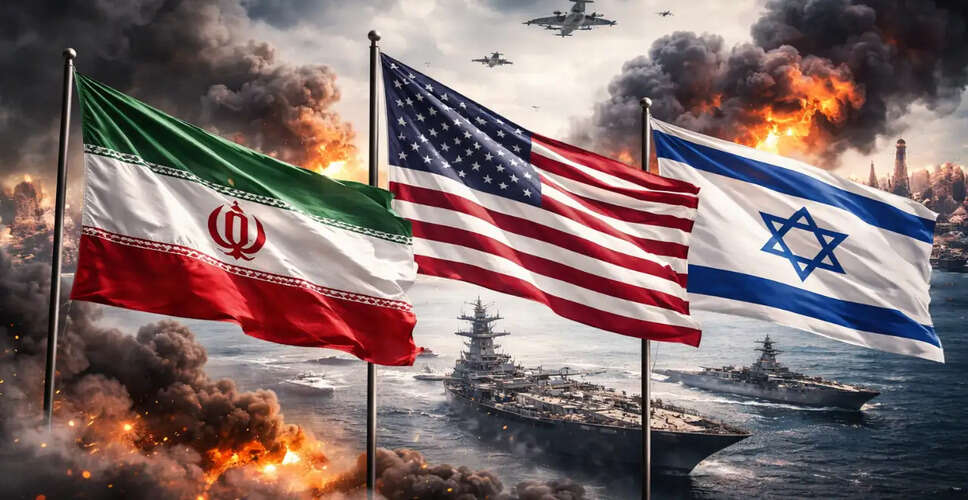
As of March 2026, the United States, Iran, and Israel remain far from reaching any ceasefire or peace agreement to resolve the ongoing conflict in the Middle East. With the situation approaching a month of hostilities, Washington has expressed, at least through its rhetoric, a willingness to engage in negotiations. However, Iranian officials have publicly dismissed these demands. Reports indicate that Jerusalem is apprehensive about a potential announcement from Trump regarding a ceasefire, which could occur before any peace plan details are finalized. The US has reportedly transmitted a 15-point peace proposal to Iran via Pakistan, which is acting as a mediator. This proposal calls for Iran to discontinue its nuclear program, receive sanctions relief, and allow the reopening of the Strait of Hormuz. Nevertheless, Iranian leaders have categorically rejected these conditions, labeling them as “extremely maximalist and unreasonable,” and have proposed their own terms, which include stopping the killings of Iranian officials, ensuring no further wars are waged against them, reparations for the conflict, cessation of hostilities, and recognition of Iran's sovereignty over the Strait of Hormuz. On March 25, the White House dismissed claims that Iran had rejected the US proposal, with Press Secretary Karoline Leavitt affirming that diplomatic discussions are still in progress.
Current Military Movements and Strategic Implications
So, Where Does This Leave Things In The Middle East?
While the US has indicated a willingness to negotiate to resolve the conflict, its military actions present a more complex narrative. The United States has dispatched several warships to the region, with reports suggesting that over 5,000 troops are on their way as President Trump considers the option of a ground invasion of Iran. Kharg Island, a crucial hub for Tehran's crude oil exports, is viewed as a potential strategic target aimed at undermining Iran's position. Concurrently, Iran's blockade of the Strait of Hormuz has emerged as a significant point of contention for the US-Israel alliance, with global fuel prices already feeling the impact. Although Tehran has permitted limited access to certain “friendly” nations such as China, Russia, India, Iraq, and Pakistan, the overall international traffic through this vital waterway remains severely restricted.