
Crackdown on Invasive Thai Magur in Assam: Authorities Take Action
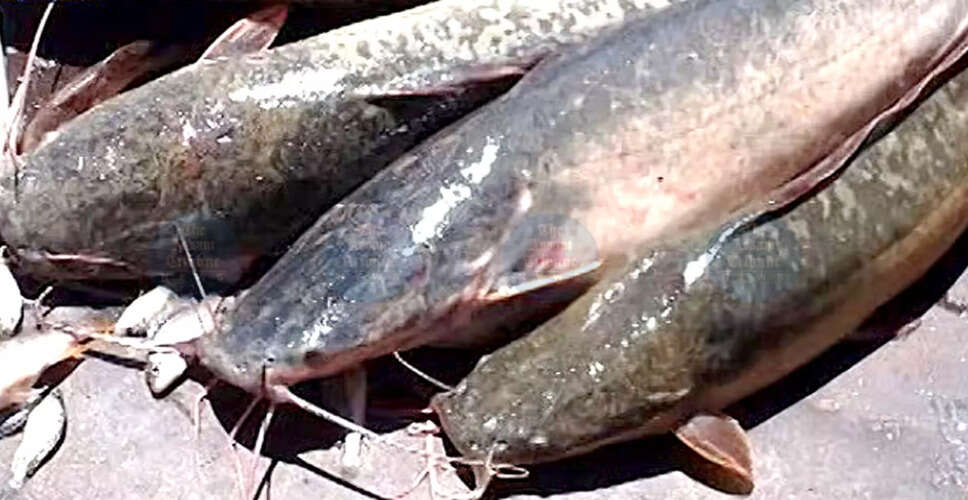

Invasive Species Threatens Local Biodiversity
Thai Magur
GUWAHATI, June 22: Despite the prohibition on the farming of the invasive African catfish, known locally as Thai Magur, this resilient predator continues to thrive in Assam.
Originating from Africa and the Middle East, the Thai Magur can breathe air, endure harsh aquatic conditions, and reproduce rapidly, posing a significant threat to local freshwater ecosystems and biodiversity.
“This species is banned for farming in India due to its ecological risks and health concerns. It is an aggressive invader that can survive out of water and in poor conditions, preying on native fish species and disrupting local aquatic life. Due to its hardiness, farmers often raise these fish in contaminated environments, leading to the accumulation of heavy metals and chemicals in their flesh, which poses serious health risks to humans. The Indian government first banned its farming in 1997, and the enforcement of this ban has been ongoing,” stated Dr. Sanjay Sarma, District Fisheries Development Officer, Kamrup.
In response to the escalating threat posed by the Thai Magur, the District Fisheries Department in Kamrup has initiated a renewed effort to combat illegal farming. The National Green Tribunal (NGT) has also mandated the destruction of existing stocks of this invasive species across all states and union territories.
“Recently, we seized and destroyed nearly seven quintals of the banned Thai catfish from an area of about two hectares in Burahara village, located within the Bangaon development block under the Boko police station. The local police, village leaders, and youth actively supported this operation,” he added.
Dr. Sarma explained that the Thai Magur grows significantly faster than local varieties, making it appealing to some farmers. While a local fish may reach 100 grams in six months, a Thai Magur can grow to nearly one kilogram in the same timeframe, prompting some farmers to engage in secretive cultivation practices.
The illegal fish farmers often source seedlings from West Bengal, mixing them with other fish species during transport before cultivating them in Assam.
“We must monitor their entry, which necessitates collaboration between fishery experts and law enforcement. Young Thai Magurs closely resemble local varieties, making expert identification crucial,” Dr. Sarma emphasized, highlighting the need for vigilant market oversight and cooperation with neighboring states like Meghalaya, where there is a demand for this fish.
A task force has been established to combat illegal fish farming in the district, aiming to reduce the risk of these invasive fish entering natural water bodies during the flood season.
Should the Thai Magur infiltrate local ecosystems, it could severely impact native fish populations.
“We have organized several awareness initiatives involving NGOs, women's groups, and fishery producer organizations to educate stakeholders about the dangers of Thai fish farming, which can lead to toxic runoff, ecological disasters, and threaten the sustainability of the aquaculture sector,” he noted.
This invasive predator is often raised in unsanitary conditions, accumulating harmful heavy metals and posing significant risks of food poisoning and long-term health issues for consumers.
The NGT has also expressed serious concern regarding the spread of this invasive species and, in an order dated April 5, 2024, mandated the immediate destruction of existing stocks. It directed District Collectors and Commissioners to form inspection teams from the Fisheries Department to inspect fish ponds and accurately identify prohibited species like Clarias gariepinus, or Thai Magur.
“All catfish breeders must obtain their fish from the State Fisheries Department or authorized agencies. Compliance reports are required from the Directors of Fisheries in all states and union territories within one month,” the order stated.