
Court to Inspect Controversial Bhojshala-Kamal Maula Mosque Site in Madhya Pradesh
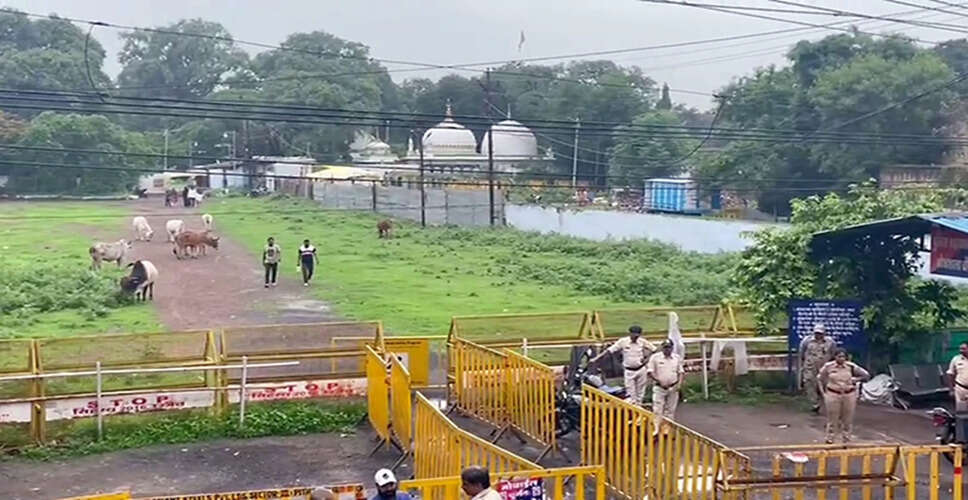
Significant Developments in Bhojshala-Kamal Maula Mosque Dispute
The ongoing dispute surrounding the historic Bhojshala-Kamal Maula Mosque complex in Madhya Pradesh's Dhar district has reached a pivotal point. On Monday, the Indore bench of the Madhya Pradesh High Court announced that it would personally inspect the contested site before the next hearing scheduled for April 2. Justices Vijay Kumar Shukla and Alok Awasthi, while hearing petitions related to the case, noted that there are "numerous complex disputes" concerning this site, which is protected by the Archaeological Survey of India (ASI).
Court's Decision to Visit the Site
The bench led by Justices Shukla and Awasthi has set April 2 for regular hearings on the long-standing dispute. The court expressed its intention to visit the complex, stating, "Given the various disputes, we wish to inspect the site. We will conduct this visit before the next hearing date." They clarified that no parties involved in the case would be present during the inspection.
Findings from ASI Survey Indicate Previous Temple Structure
The ASI has already conducted a comprehensive scientific survey of the site, submitting a report exceeding 2,000 pages. The findings suggest that a significant structure from the era of the Parmara kings existed prior to the mosque, with many elements from older temples repurposed in the current building. The report includes architectural remnants, sculptures, inscriptions, and literary plaques, indicating that the site was a major educational and cultural center during the Parmara period.
Conflicting Claims from Hindu and Muslim Parties
Hindu petitioners argue that coins, sculptures, and inscriptions discovered during the survey substantiate their claim that the site was originally a temple. Conversely, the Muslim side has contested these claims, raising objections to the ASI survey and alleging that several items were included as part of a "preconceived plan."
Muslim Petitioners Question Survey Process
Speaking to media representatives, Abdul Samad, representing the Maulana Kamaluddin Welfare Society, stated that they have requested the High Court to provide the complete survey along with videography and colored photographs. He also claimed that Jain and Buddhist sculptures were found at the site. Additionally, applications have been filed by the Waqf Board and a mutawalli concerning the ongoing case.
Current Arrangements to Continue
According to an ASI order issued on April 7, 2003, Hindus are permitted to worship at the site every Tuesday, while Muslims can pray there every Friday. The court reiterated that as the case progresses, all parties will have ample opportunity to present documents, affidavits, and arguments.