
Countries on the Brink of Energy Lockdown Amid Ongoing Crisis
Global Energy Crisis Escalates
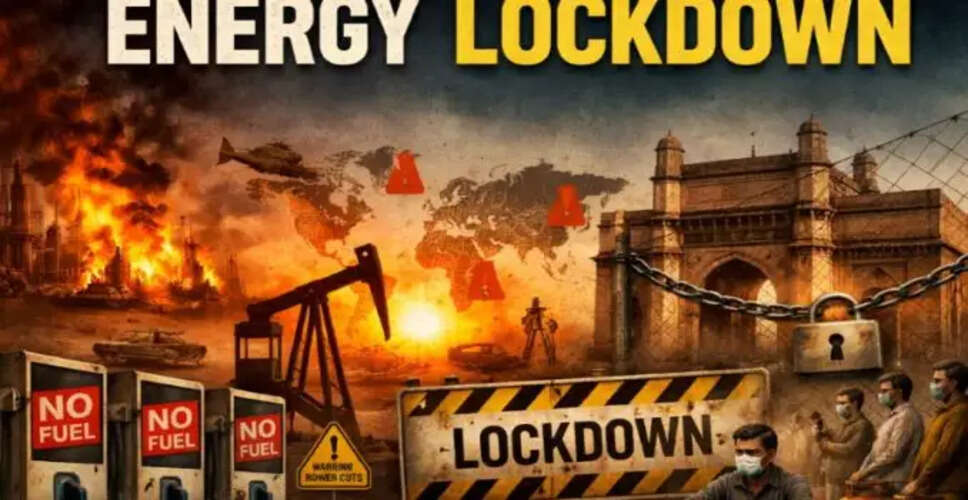
The ongoing conflict between Iran and the United States has plunged the world into a significant energy crisis. Currently, the globe stands on the verge of experiencing the largest 'energy lockdown' since the 1970s. Amid the turmoil in the Strait of Hormuz, Iran has provided relief to only a few nations, while many others have faced severe disruptions in their oil supply, prompting them to implement rationing and restrictions. Countries grappling with oil shortages are now witnessing conditions akin to an energy lockdown, with one nation even resorting to an official lockdown. Read on to discover which countries might soon follow suit.
Philippines: The First to Declare an Energy Lockdown
Recently, the Philippines announced an energy lockdown, becoming the first country to officially declare a 'National Energy Emergency' due to the ongoing war in the Middle East. The situation in the Philippines is dire, as it imports 98% of its oil from Gulf nations. The closure of the Strait of Hormuz has caused widespread panic.
Restrictions Under the Energy Lockdown
Following President Ferdinand Marcos Jr.'s orders, the operating hours of shopping malls in Manila and other major cities have been reduced to conserve electricity. Long queues have formed at petrol stations, with diesel prices soaring to approximately 220 pesos per liter. The government has imposed limits on the amount of fuel that can be purchased at one time.
Non-essential offices have been instructed to allow employees to work from home, and many schools have shifted to online classes to save on transportation fuel. The president has warned that if the supply does not improve, flight cancellations may occur due to a shortage of jet fuel. The government has reluctantly permitted industries to use lower-quality fuel to maintain the supply chain.
Pakistan: Schools have been closed for two weeks, and work-from-home arrangements are mandatory. Discussions are ongoing regarding a 'smart lockdown' in Sindh and other provinces.
Sri Lanka: To conserve fuel, every Wednesday has been declared a public holiday.
Bangladesh: Significant power cuts have begun, and schools have announced early holidays for Ramadan.
Vietnam: Following a 50-60% increase in petrol prices, work-from-home policies and restrictions on non-essential travel have been implemented.
Myanmar: An 'Odd-Even' rule for vehicles has been enforced, and several petrol stations have closed due to fuel shortages.
European Nations Face Oil Supply Crisis
Europe is currently relying on its gas reserves, but experts warn that the situation could deteriorate by the end of April 2026.
Germany: The economy minister has cautioned that if the conflict continues, there could be a severe fuel shortage by late April or May.
European Union: Major companies like Shell have warned that rationing of diesel and jet fuel may soon commence in Europe.